
Practice and evidence
How to assess a learning project with a clear rubric
Build a useful rubric for a website or design exercise: define the task, collect evidence, assess your decisions and choose one next improvement.
Read guideOriginal guides to applied AI, AI agents, design and SEO, with concrete steps, checklists and exercises you can use in your own work.
Build a useful rubric for a website or design exercise: define the task, collect evidence, assess your decisions and choose one next improvement.
Read guide
Turn one completed digital exercise into a repeatable practice plan. Return without the tutorial, vary the task and keep a useful error record.
Read guide
Check a small web page using a keyboard. Record focus order, visible focus, link purpose and blocked actions without claiming a full accessibility audit.
Read guide
Use official documentation to solve one small task. Check the version, separate examples from requirements and build a minimal reproducible result.
Read guide
Check an AI answer claim by claim. Find the primary source, distinguish dates and scope, and keep uncertainty visible before using the conclusion.
Read guide
Review a small invented spreadsheet for missing values, duplicates and inconsistent units. Keep raw rows, document corrections and verify the summary.
Read guide
Build a small Python CSV cleaning exercise with synthetic rows, explicit rules and repeatable checks. Keep IDs and explain every accepted or rejected row.
Read guide
Explain a learning project through its task, constraints, decisions and tests. Label concept work honestly and never invent clients or performance results.
Read guide
Compare online courses by your goal, starting level, practice and feedback. Build a shortlist with clear questions before choosing a programme.
Read guide
Similar course titles can hide different practical work. Compare AI, design and SEO by tasks, evidence and the learning route you actually need.
Read guide
Build a digital skills learning route around one project. Connect research, AI, design, websites and SEO with visible work and clear checkpoints.
Read guide
Use AI to organise studying, create questions and compare explanations. Keep source notes, verify answers and test what you can explain independently.
Read guide
Check AI answers by separating claims, opening sources and matching dates. Practise finding unsupported statements before they reach your work.
Read guide
Plan a no-code workflow with a trigger, clear data and error handling. Test duplicate events, missing fields and the point where review is needed.
Read guide
Plan a small UX research session, ask about real experience and separate observations from assumptions before deciding what to change in an interface.
Read guide
Write a brand identity brief with an audience, message, applications and review criteria. Turn vague style requests into a usable design task.
Read guide
Understand website design and development through a concrete handover. Define content, states, accessibility and acceptance checks before building.
Read guide
Build an SEO content brief around one learner question, reliable sources and useful practice. Plan headings and links without repeating keywords.
Read guide
Create a content plan from audience questions, existing pages and practical evidence. Give each item a purpose, owner and realistic maintenance task.
Read guide
Build a portfolio case study with a clear problem, decisions and evidence. Label teaching projects and explain limits without inventing client results.
Read guide
The average typing speed is about 52 words per minute. How WPM is counted, what counts as good, and why speed drops while learning touch typing.
Read guide
How to type faster with touch typing: home row, the F and J bumps, one finger per column, no looking, accuracy before speed and short daily practice.
Read guide
TypeScript vs JavaScript in plain words: what static types add, how TypeScript becomes JavaScript, one task in both, and which language to learn first.
Read guide
Basics, small programs, a first project, a specialisation: what each stage of Python asks of you, what counts as learned, and what slows people down.
Read guide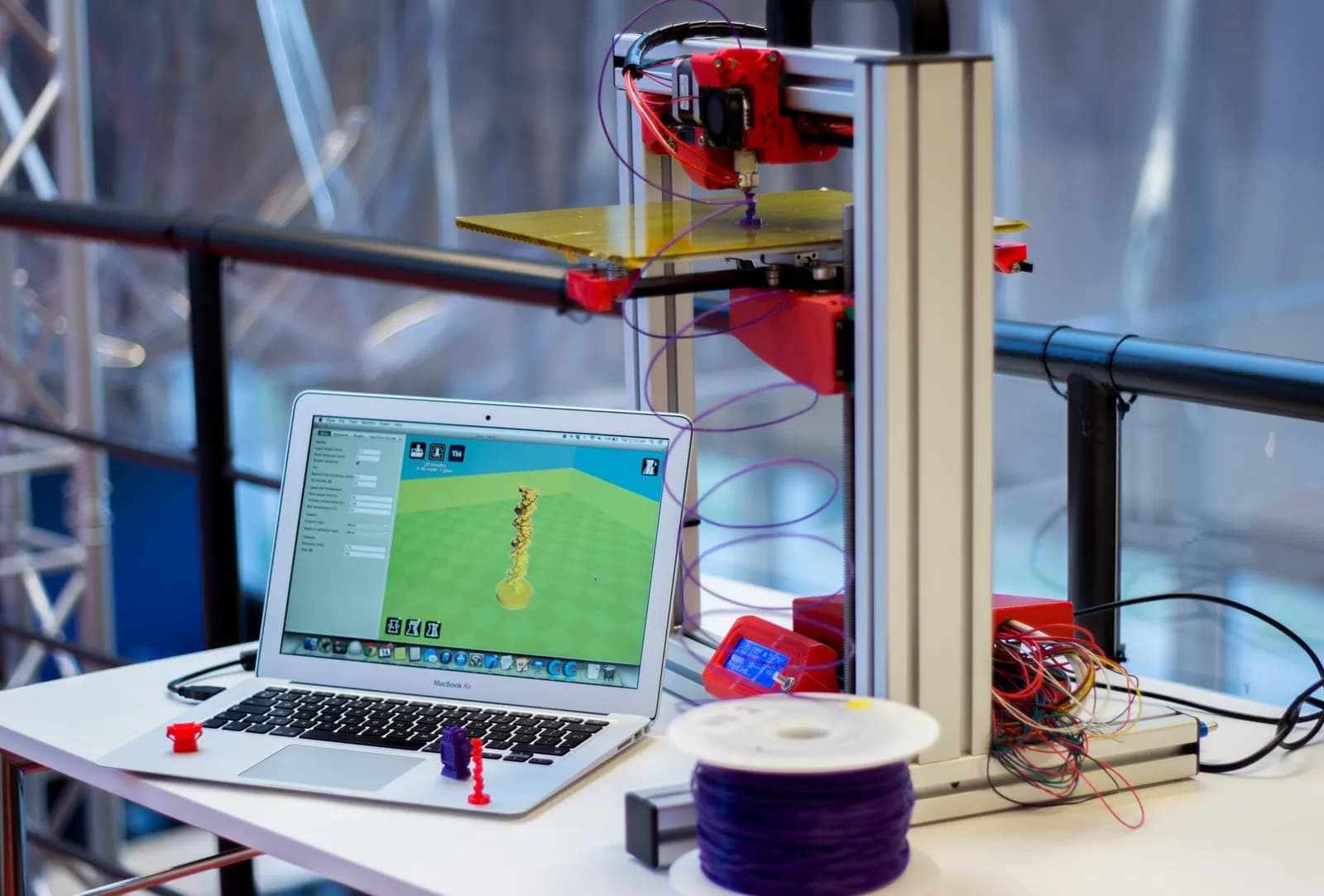
How to open STL file models with a system viewer, a slicer or a browser, and what to check before printing: size, units, scale and holes in the mesh.
Read guide
What a Claude skill is, where skills live, how to install and trigger one, how to check it loaded, and why you should read every file before installing.
Read guide
A seven-part structure for AI image prompts, how to change one variable at a time, keep a series consistent and handle rights and labels.
Read guide
A one-hour SEO audit checklist: indexing, robots.txt, sitemap, titles, headings, links, Core Web Vitals, mobile, structured data and duplicates.
Read guide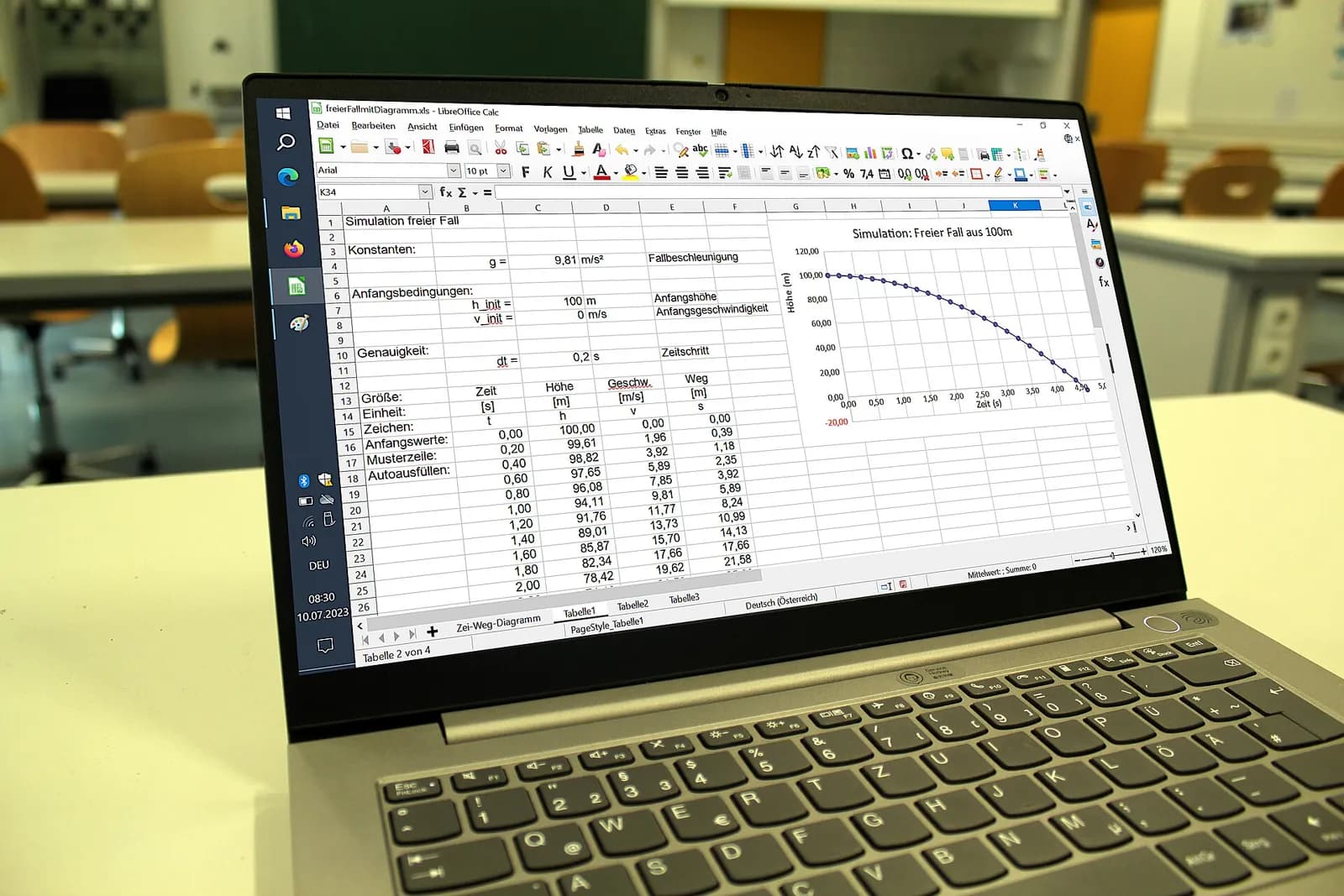
Which columns a competitor analysis template needs, how to fill it from public sources in one afternoon and how to turn the sheet into one decision.
Read guide
The average reading speed of adults is about 238 words per minute. What the figures mean, why comprehension matters and how to read faster sensibly.
Read guide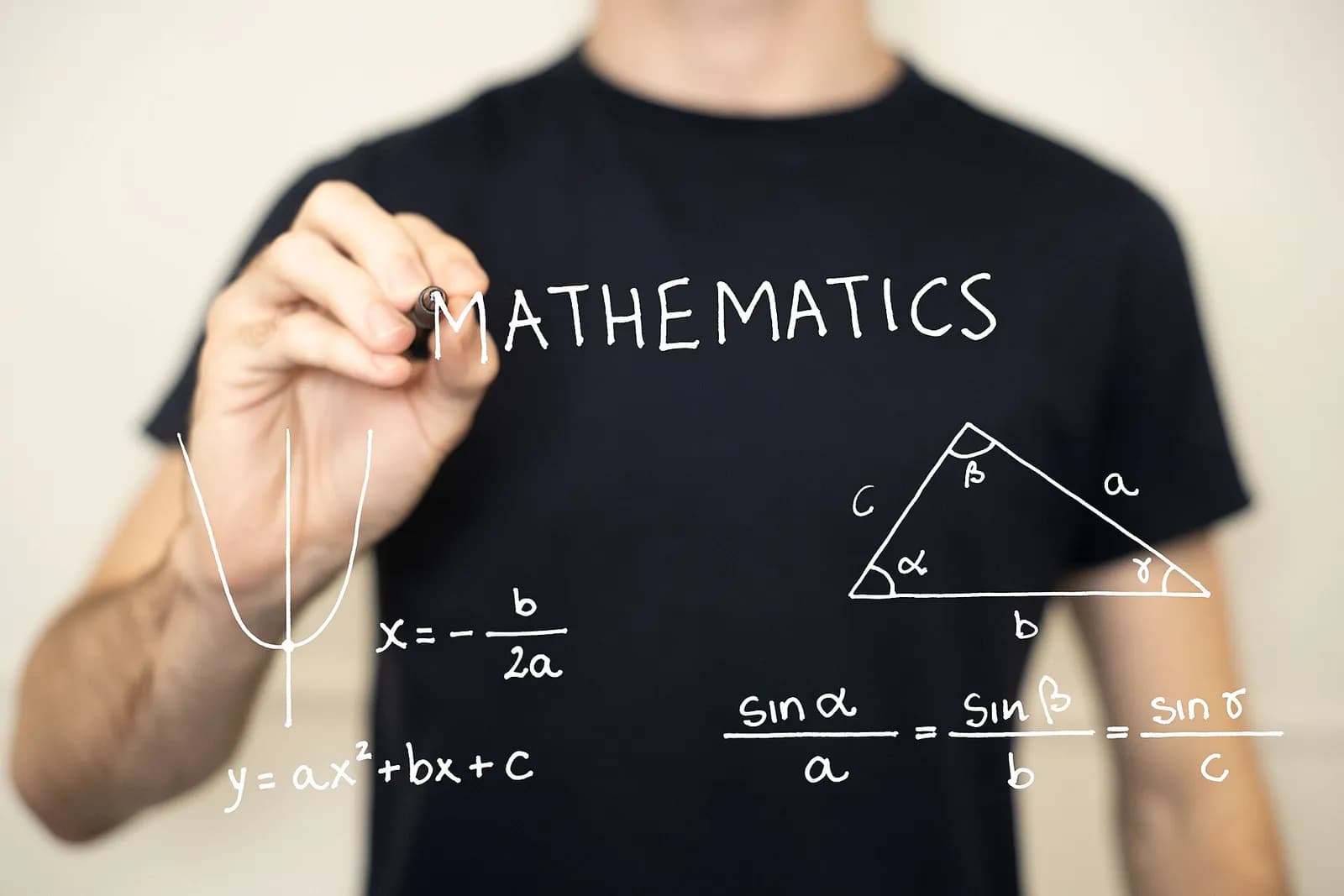
A free online whiteboard for teachers, tutors and students, with no sign-up and no ads. What it does, how to run a lesson on it, and why drawing helps.
Read guide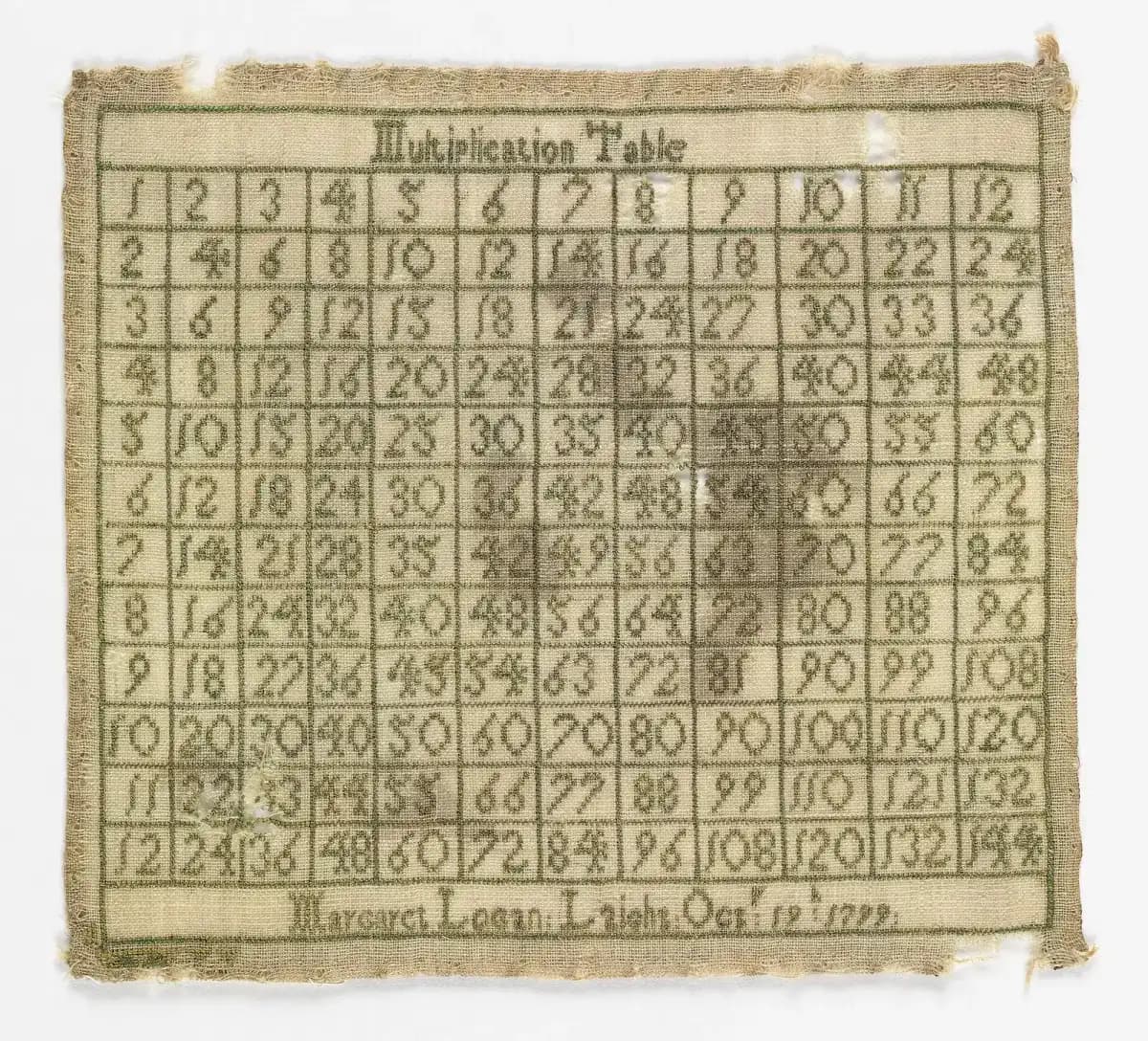
Multiplication tricks that always work: twin facts halve the chart, ×9 on your fingers, ×5 as half of ×10, doubling for ×4 and ×8, and an order to learn.
Read guide
How a random name picker chooses fairly, why computer randomness is good enough, how to avoid repeats and how to split a class into balanced teams.
Read guide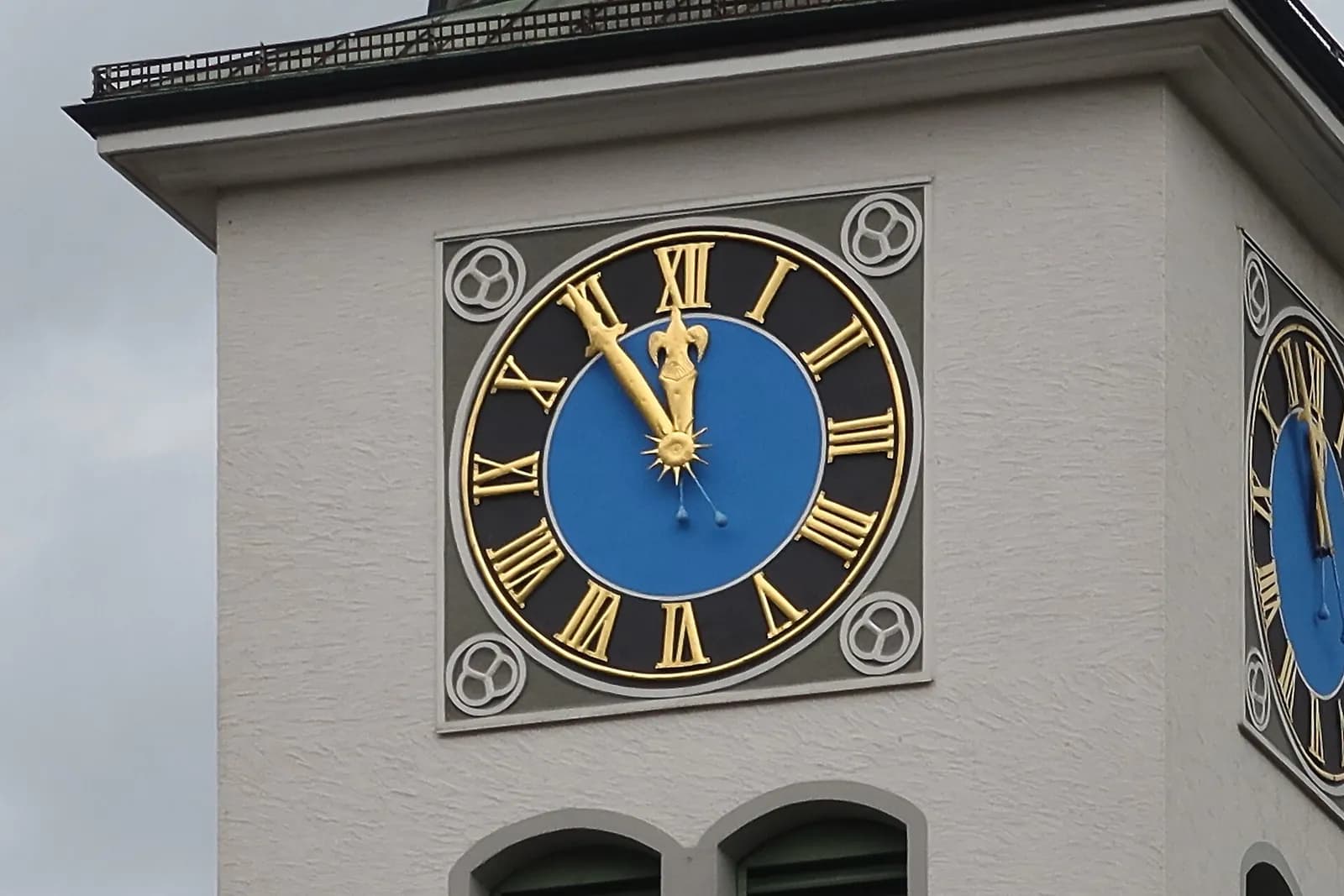
A Roman numerals chart from 1 to 100 with the seven symbols, the six subtractive pairs, step-by-step reading and writing, years like MMXXVI and IIII.
Read guide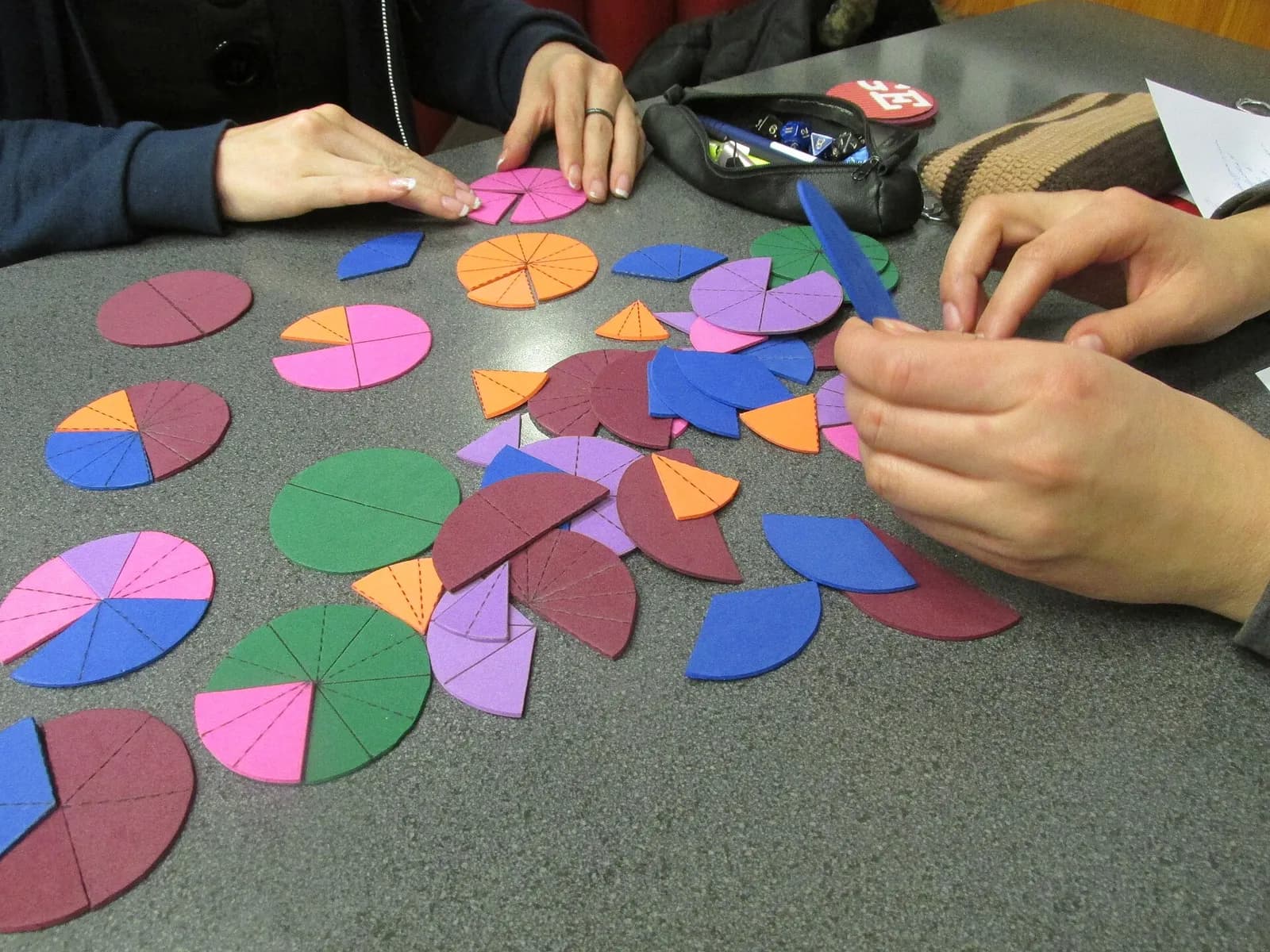
How to add fractions with the same or different denominators, add mixed numbers, subtract, and simplify the answer with the GCD. Worked examples.
Read guide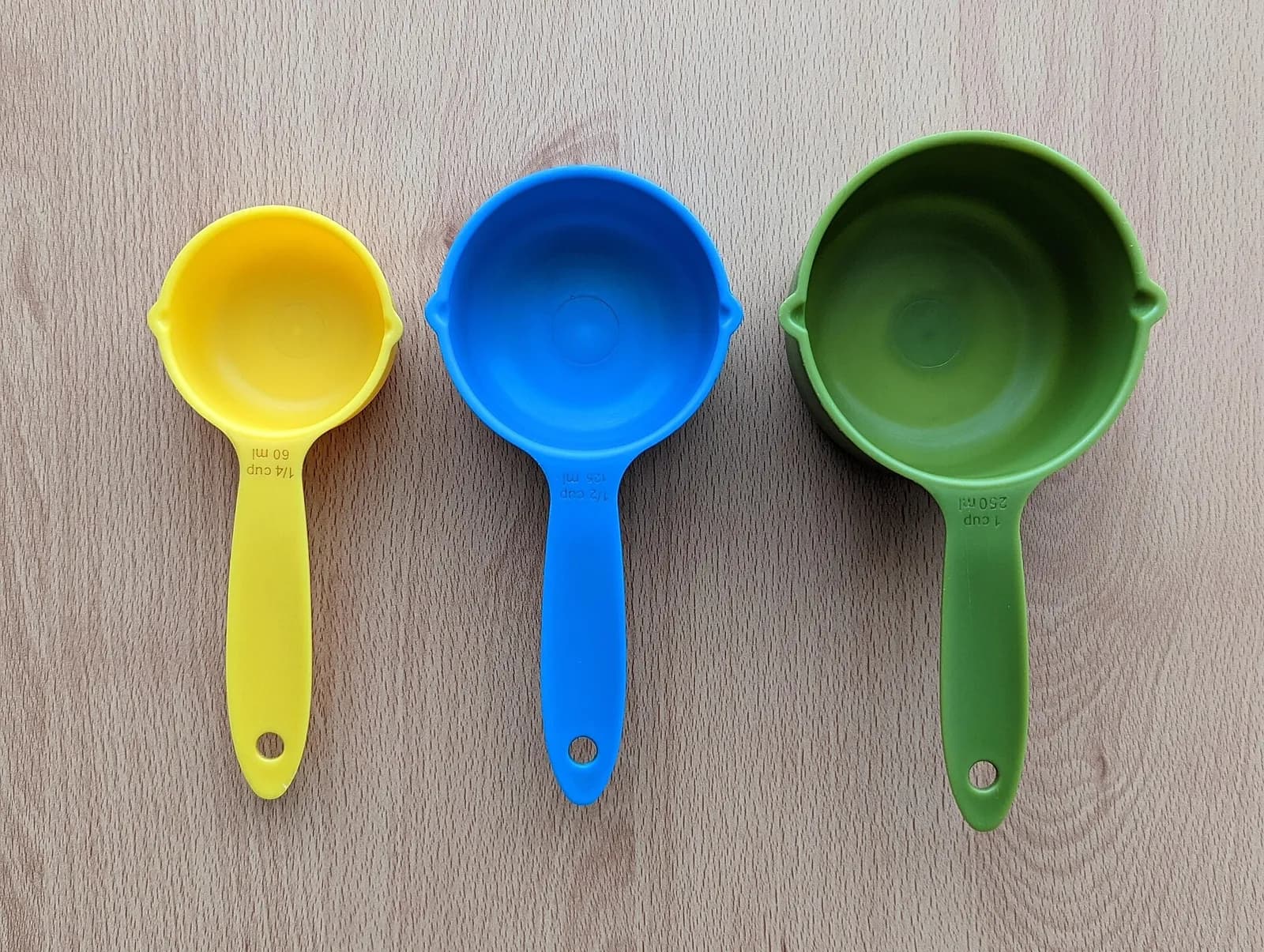
How to divide fractions by multiplying by the reciprocal, why it works, plus multiplying fractions, mixed numbers and whole numbers, with examples.
Read guide
The order of operations explained: brackets, powers, × and ÷ left to right, then + and −. PEMDAS vs BODMAS, the 8 ÷ 2(2+2) debate and worked examples.
Read guide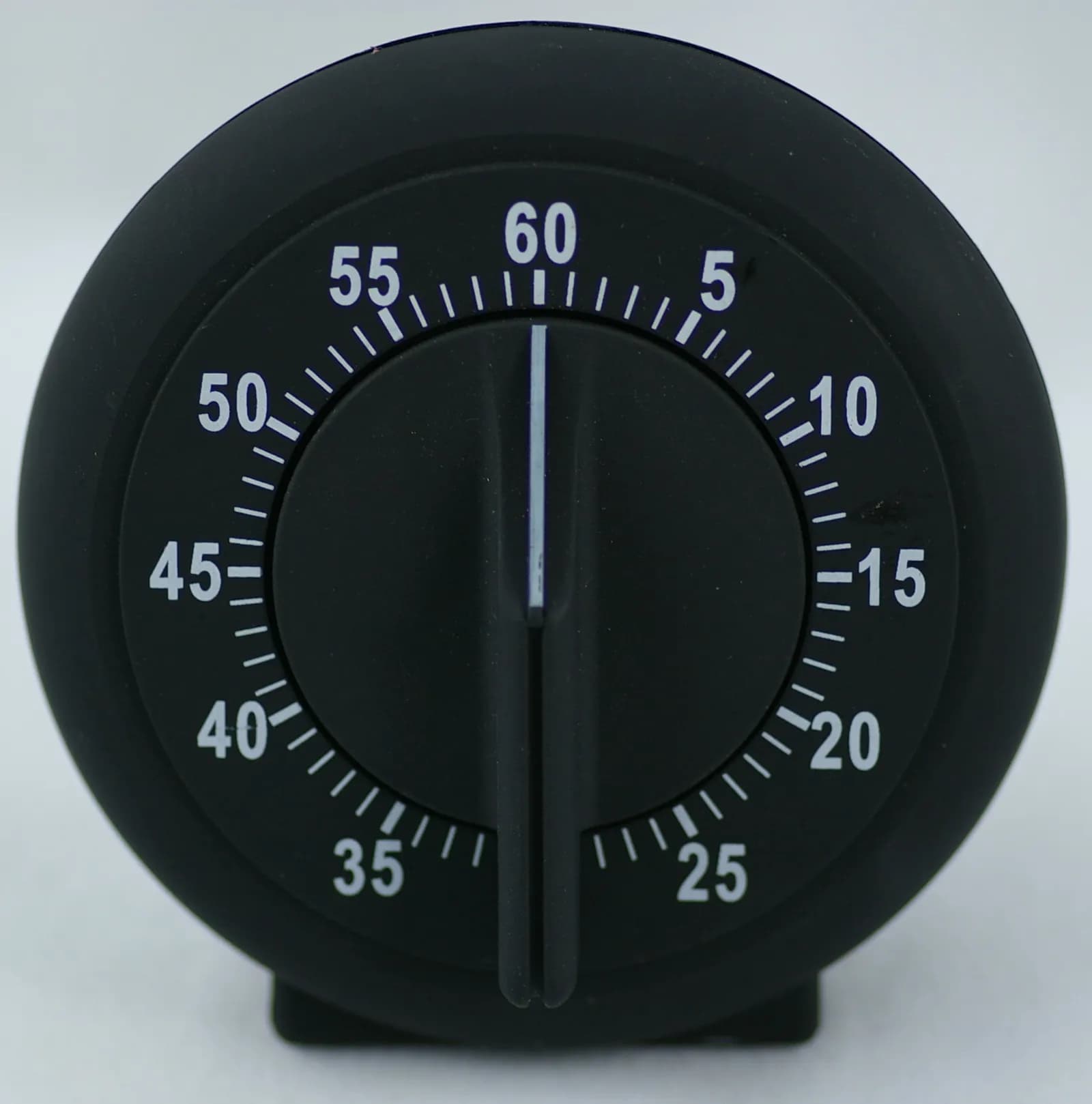
The Pomodoro technique: 25 minutes of focus, a short break, a longer one after four rounds. The steps, the origin, school tips and honest limits.
Read guide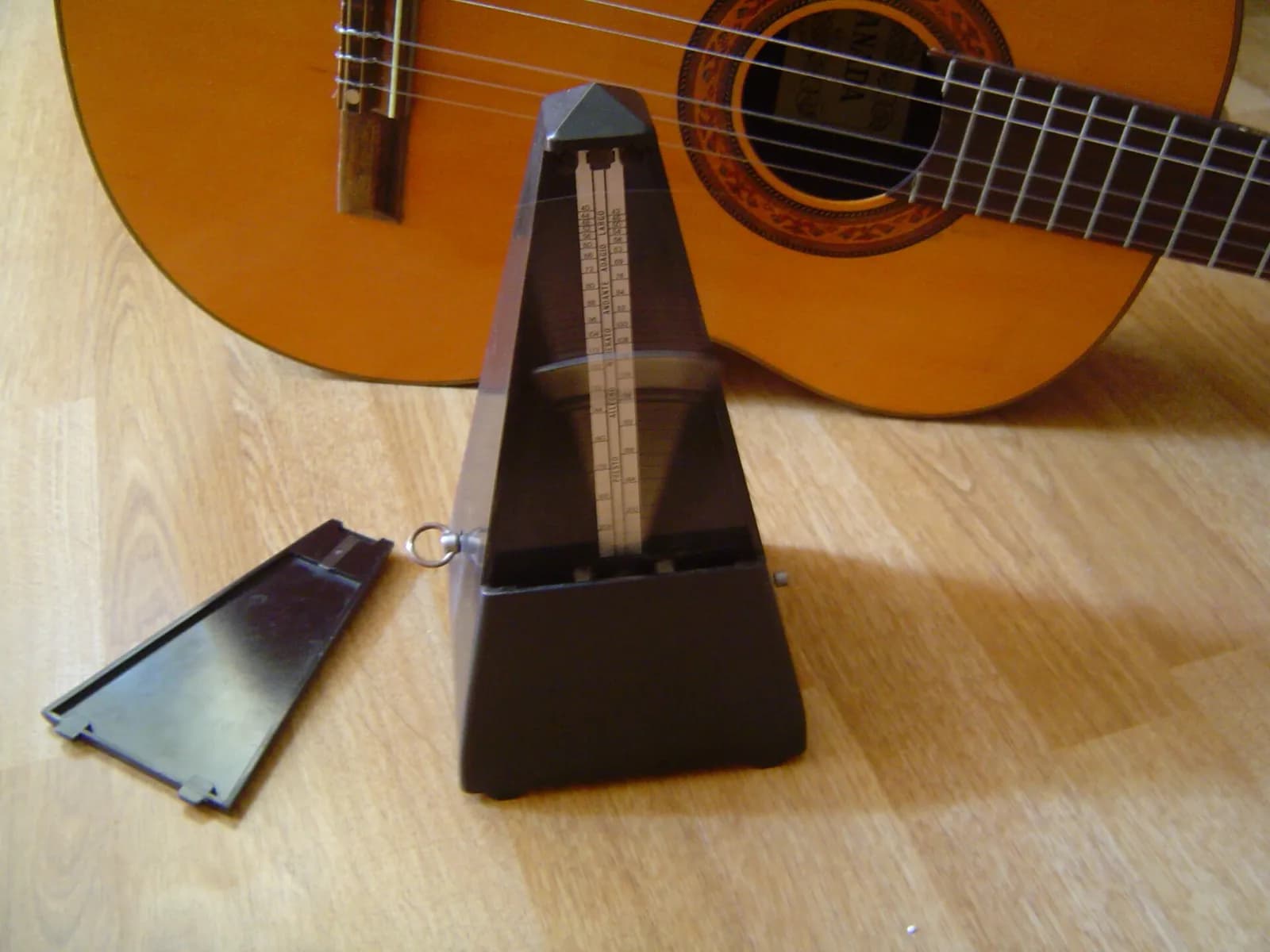
BPM means beats per minute: the speed of the beat. How it fits the time signature, the Italian tempo markings with BPM ranges and how to find a song’s BPM.
Read guide
Time signatures tell you how many beats are in a bar and which note gets the beat. Simple and compound metre, common and cut time, 5/4 and 7/8 counted.
Read guide
Piano notes repeat in a 12-key pattern: white keys C D E F G A B and five black keys. How to find C, middle C, sharps, flats and octave numbers.
Read guide
Piano chords are built from intervals: major is 4 + 3 semitones, minor 3 + 4. All 24 major and minor chords, sevenths, inversions and progressions.
Read guide
Eight easy piano songs with every note in letters, from Hot Cross Buns to Ode to Joy and Jingle Bells, in the order to learn them, all in C position.
Read guide
How to tune a guitar step by step: standard tuning E A D G B E with each string’s frequency, tuning with a tuner, the 5th-fret method by ear and drop D.
Read guide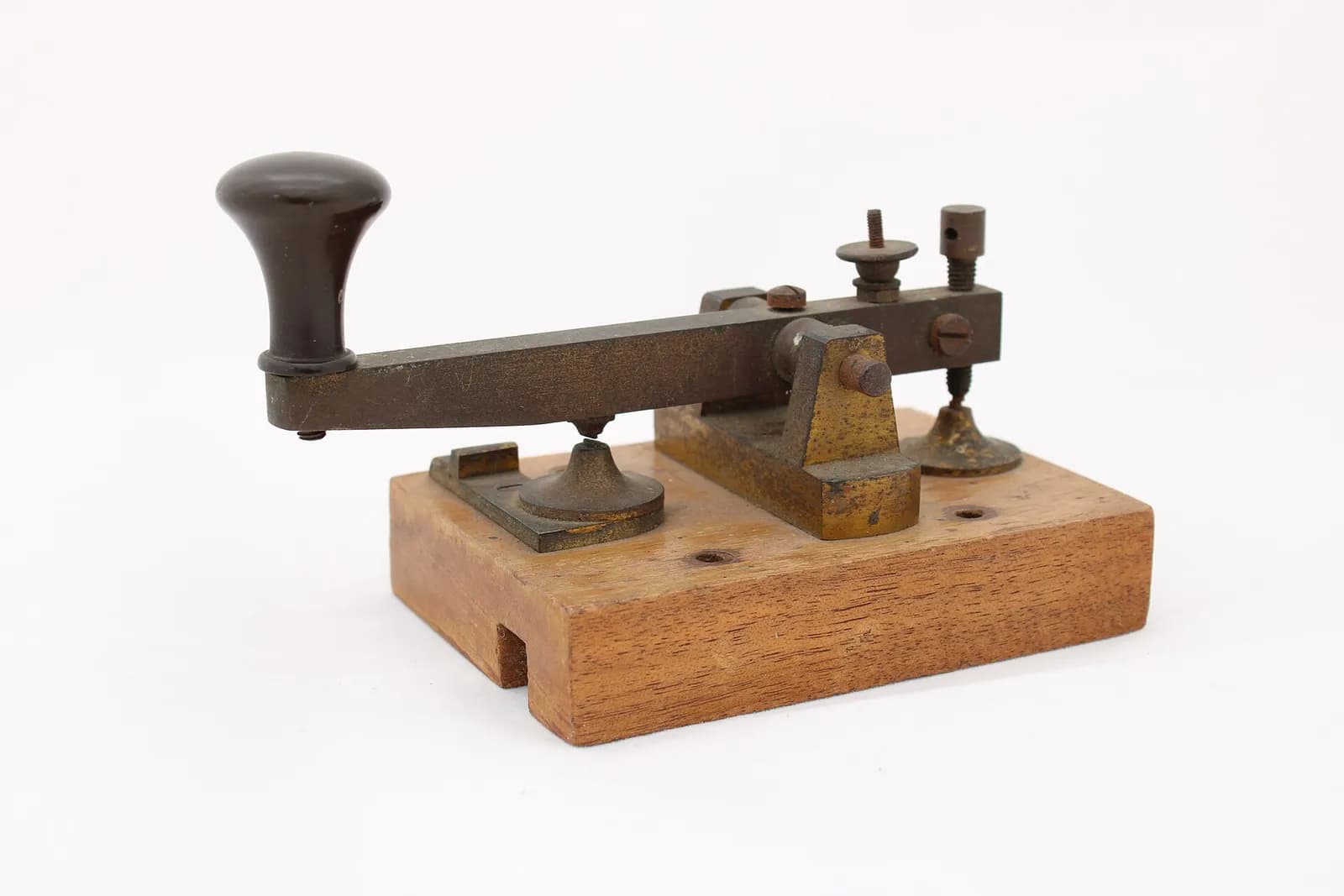
The full Morse code alphabet from A to Z and 0 to 9, the timing rules, SOS as one signal, where the code came from and how to learn it by ear.
Read guide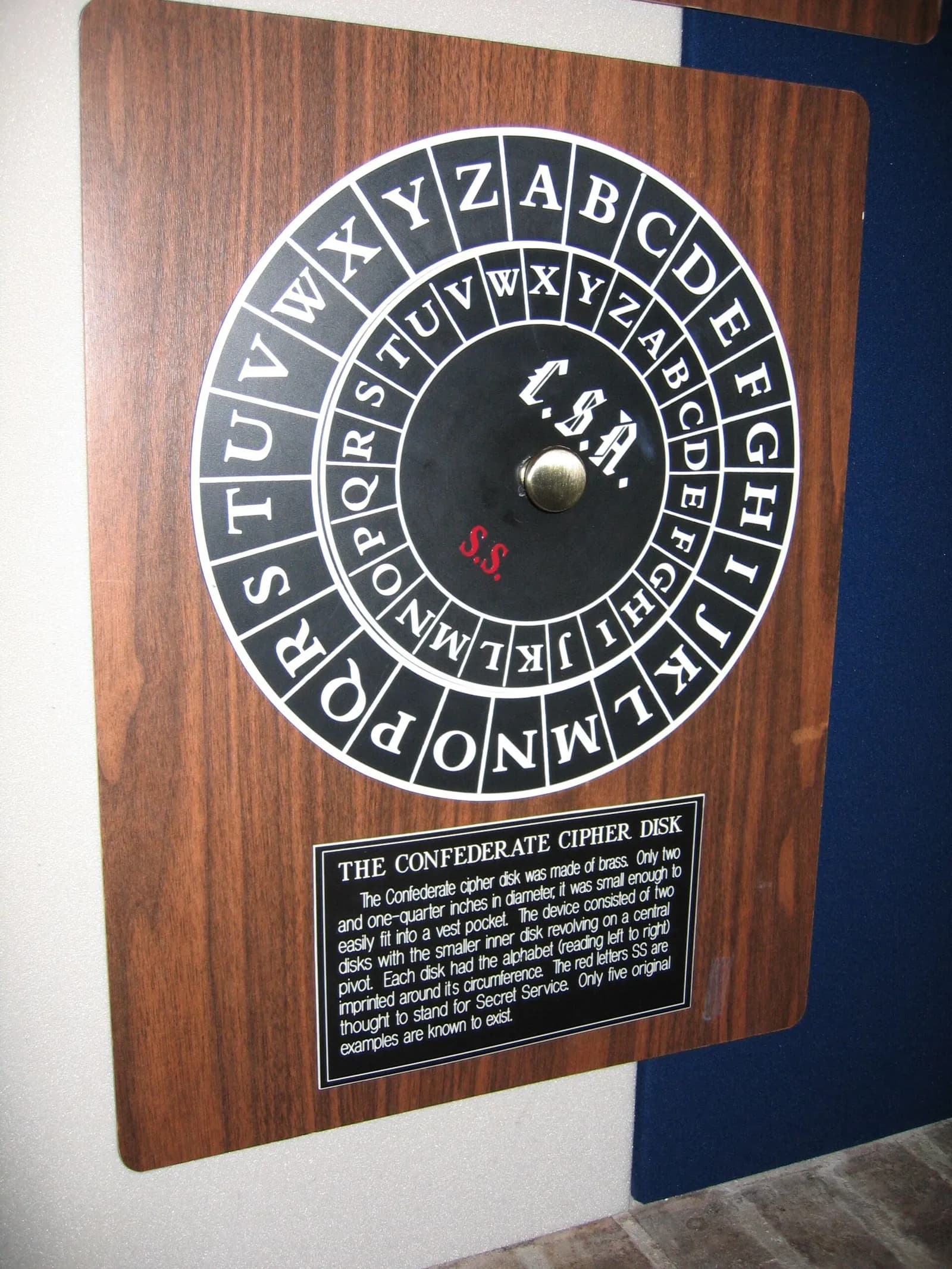
How the Caesar cipher works: encoding and decoding with a worked example, ROT13, why it breaks in minutes, Vigenère as the next step, and its history.
Read guide
To convert binary to decimal, add the powers of two under each 1: 1101 is 8 + 4 + 1 = 13. Reading a byte, dividing by 2, hexadecimal and text as bits.
Read guide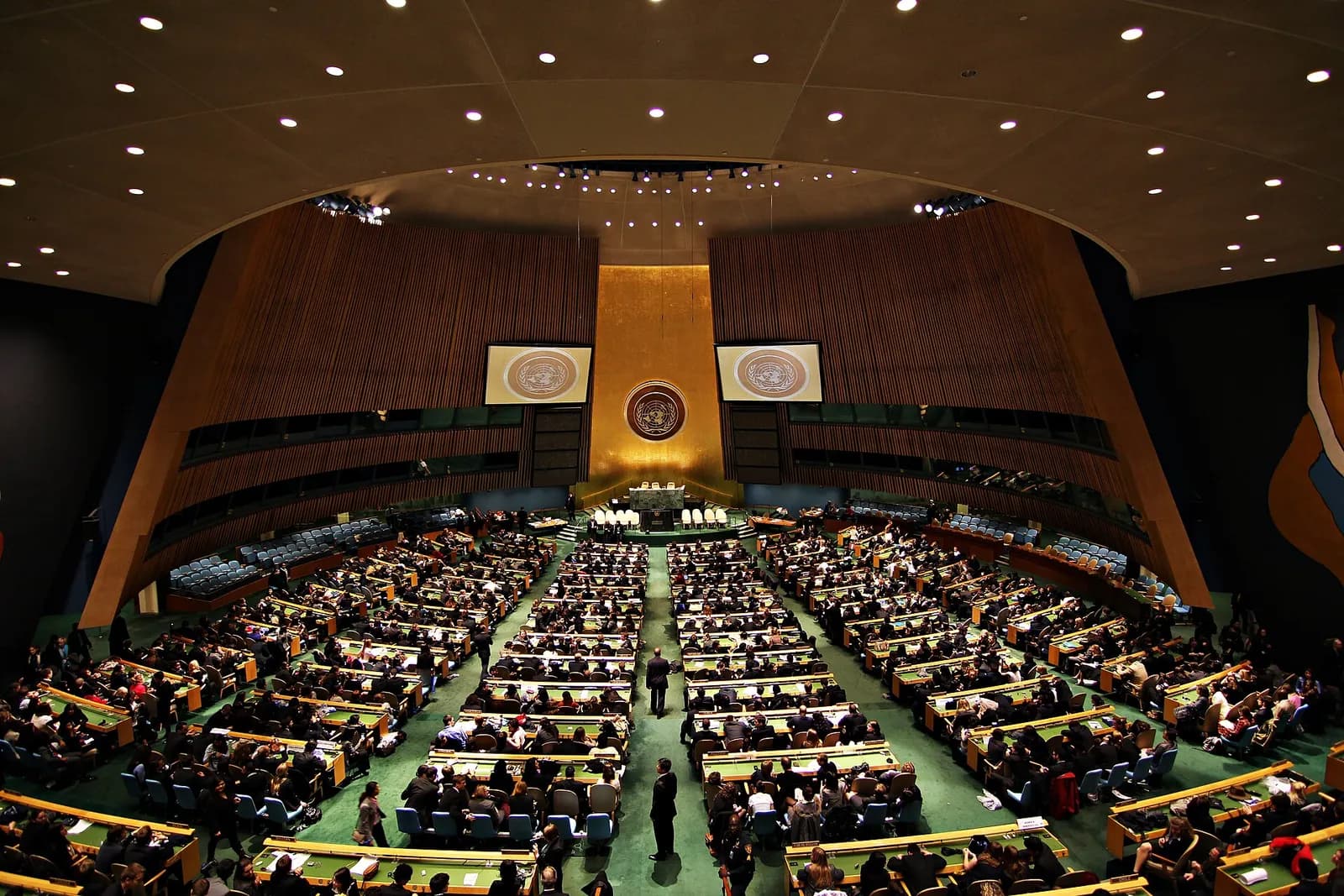
There are 195 countries: 193 UN member states plus the Holy See and Palestine. Why Taiwan or Kosovo change the count, and how many per continent.
Read guide
The 7 continents in order of size with their areas, why other countries count 6, 5 or 4, and how Russian schools split continents and parts of the world.
Read guide
The 10 largest countries in the world by area in km², from Russia to Algeria, with UN figures, land versus water and why the US and China swap places.
Read guide
The 10 smallest countries in the world by area in km², from Vatican City at 0.44 km² to Malta, why microstates exist and how they show on a world map.
Read guide
All 44 countries in Europe with their capitals, grouped by region under the UN M49 standard, and why Russia counts while Turkey and Cyprus do not.
Read guide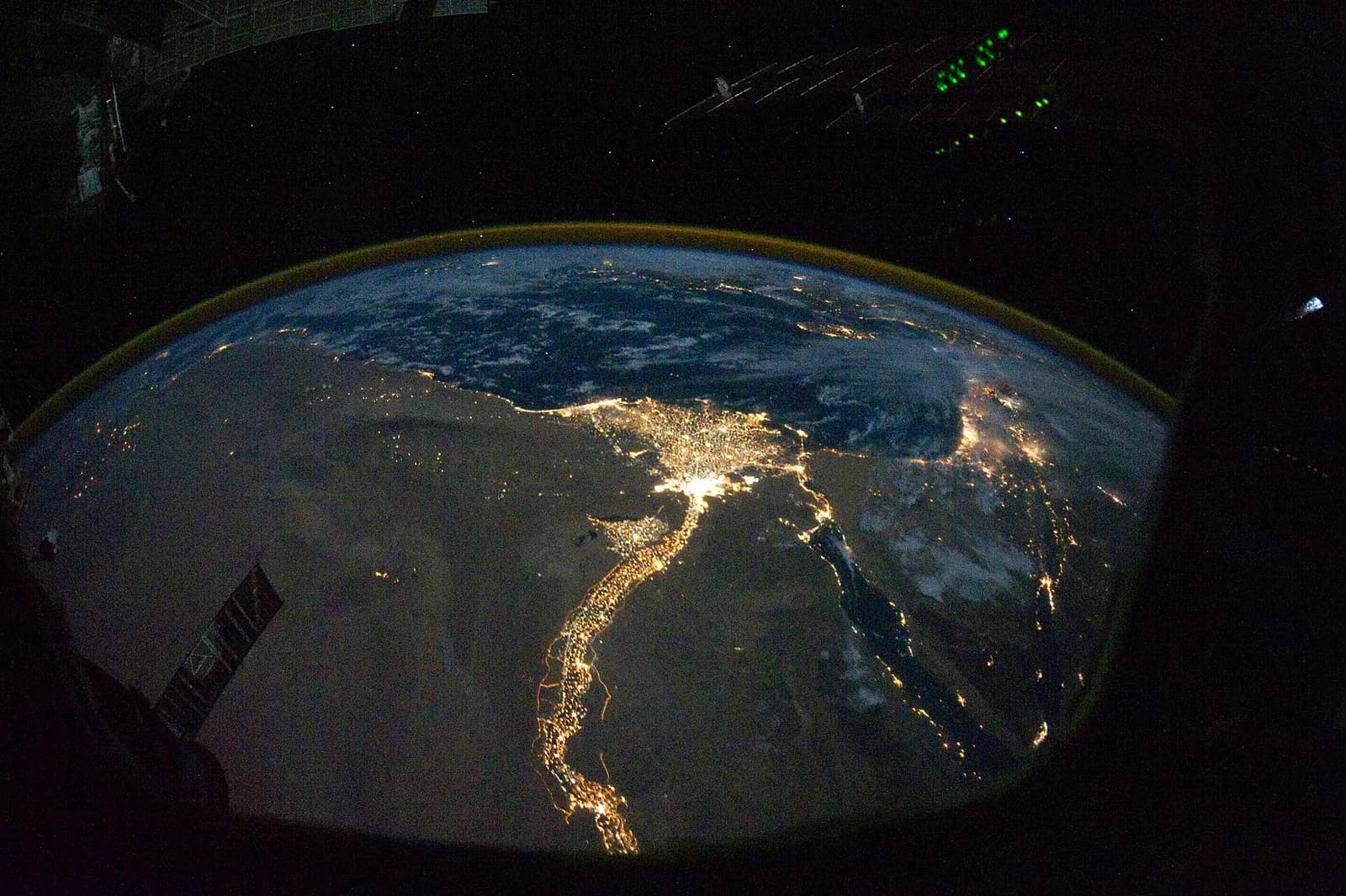
All 54 countries in Africa with their capitals, region by region under the UN M49 standard, the countries with two or three capitals and the new ones.
Read guide
All 48 countries in Asia with their capitals in five regions under the UN M49 standard, why Russia and Egypt are not counted and which capitals moved.
Read guide
All 12 countries in South America with their capitals, why Bolivia has two, and why French Guiana and the Falkland Islands are territories, not countries.
Read guide
Every flag of Europe’s 44 countries in one line, the tricolours, Nordic crosses and Slavic colours behind them, and how to tell the look-alikes apart.
Read guide
The 22 national flags made only of red, white and blue, the ones that add a fourth colour, why the trio is so common and how to tell the look-alikes apart.
Read guide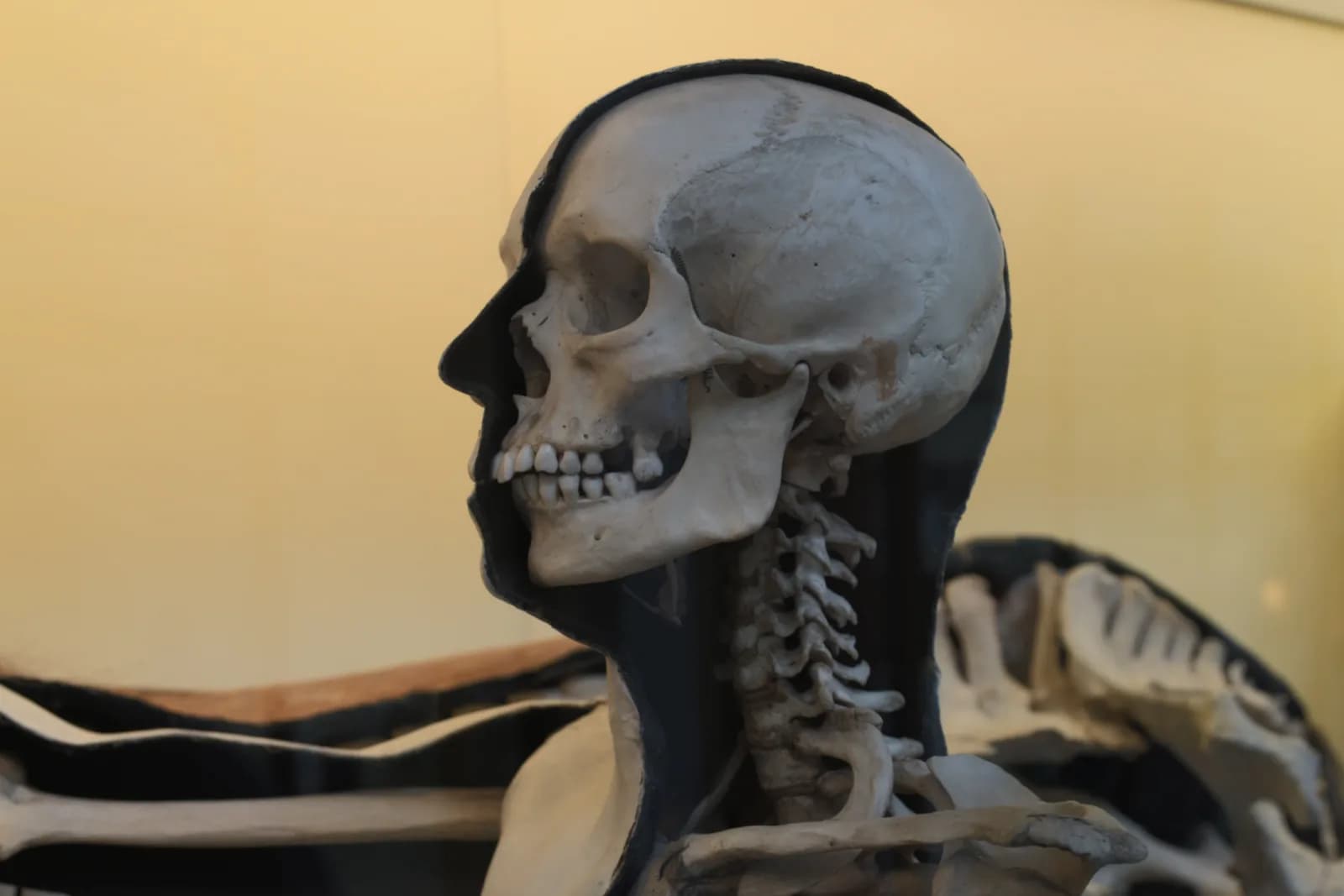
An adult has 206 bones: 80 axial and 126 appendicular. Where they sit, why babies have about 270–300, and why some sources count differently.
Read guide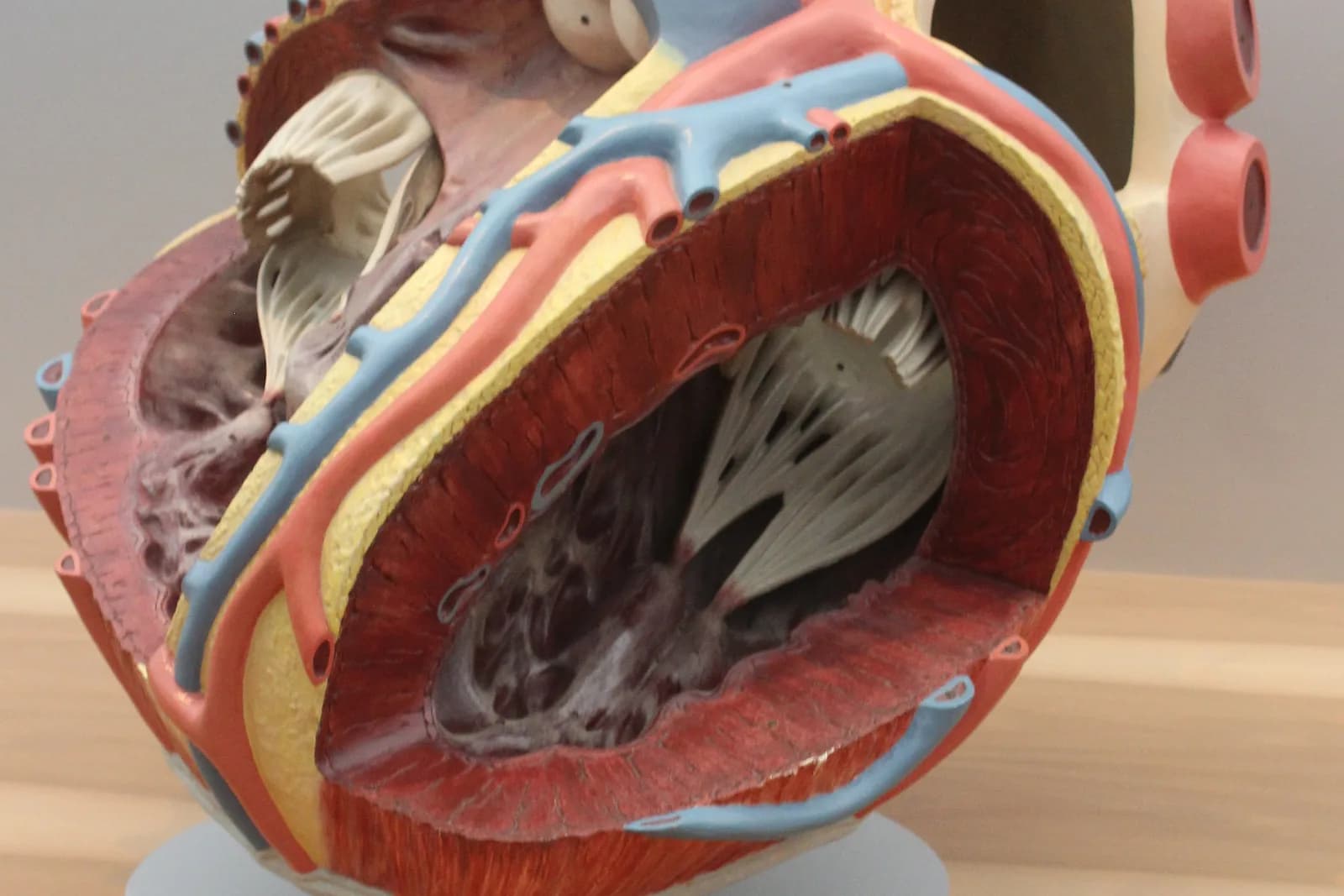
The heart is a fist-sized muscle that pumps blood in two loops. Its four chambers, valves, the lub-dub beat and how much blood it moves each minute.
Read guide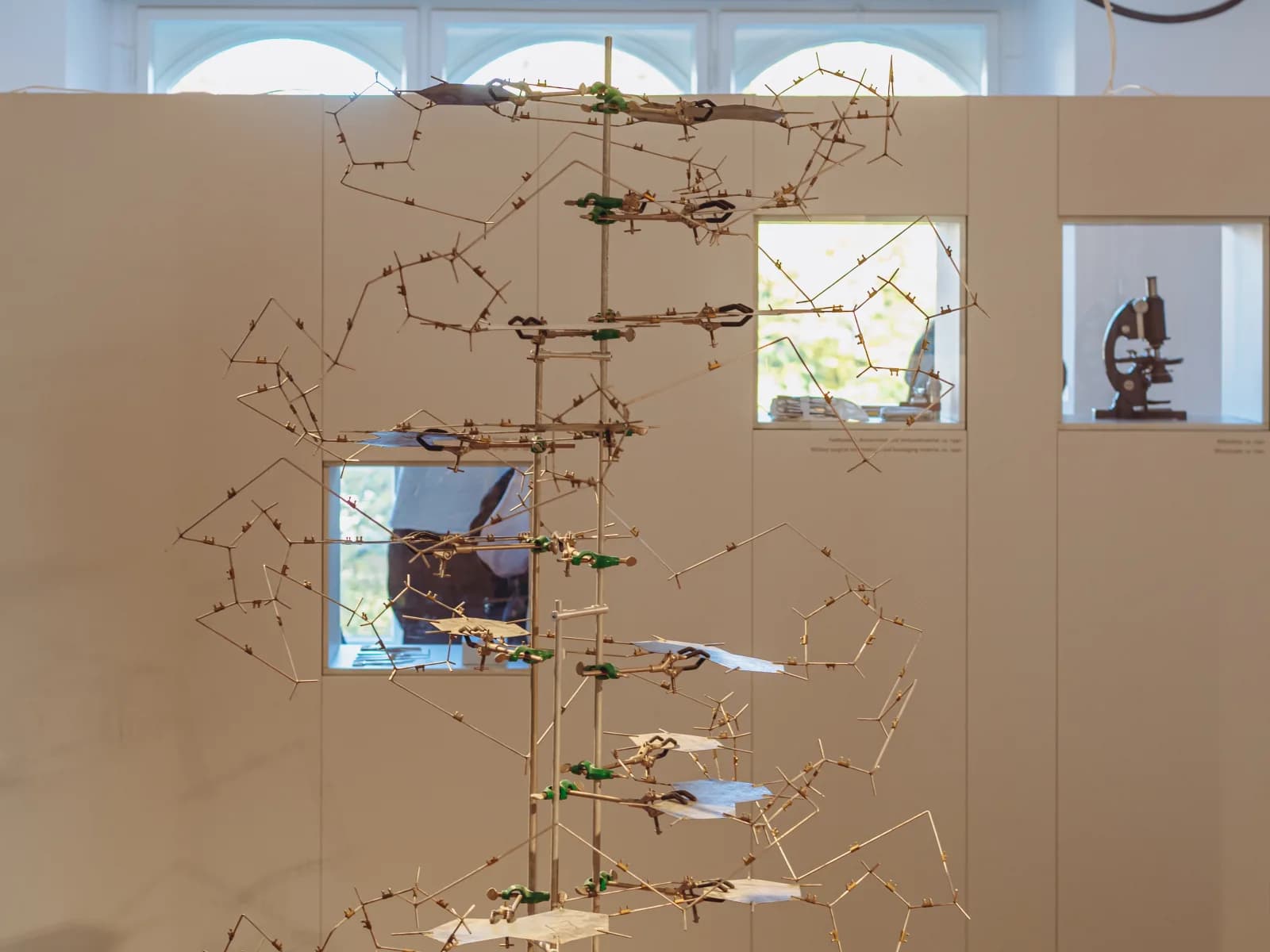
DNA is the molecule that carries genetic information: a double helix written in four letters and about 3 billion base pairs long. How it is read.
Read guide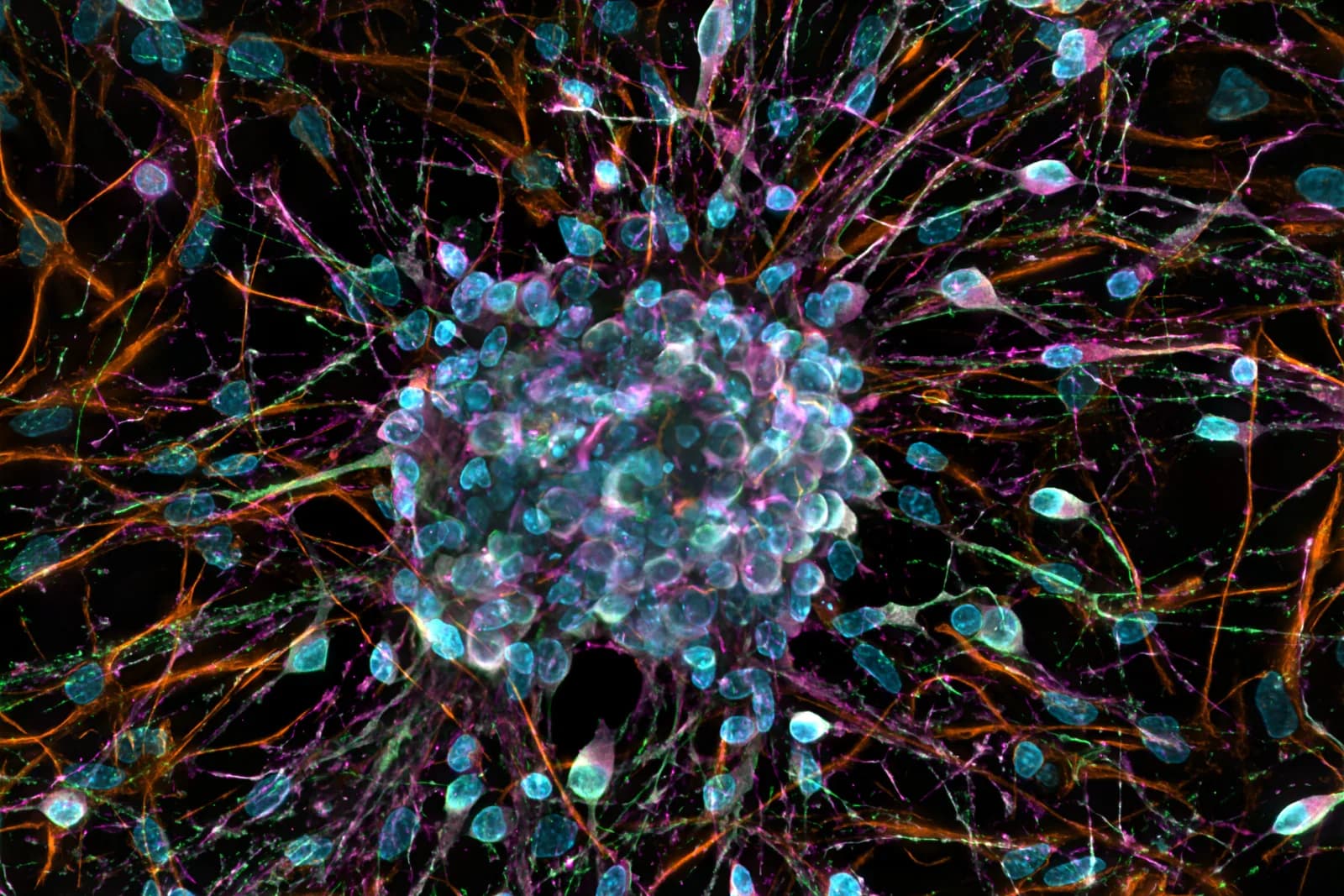
A neuron fires an all-or-nothing electrical spike along its axon, then passes a chemical message across a synapse. How it works, with the numbers.
Read guide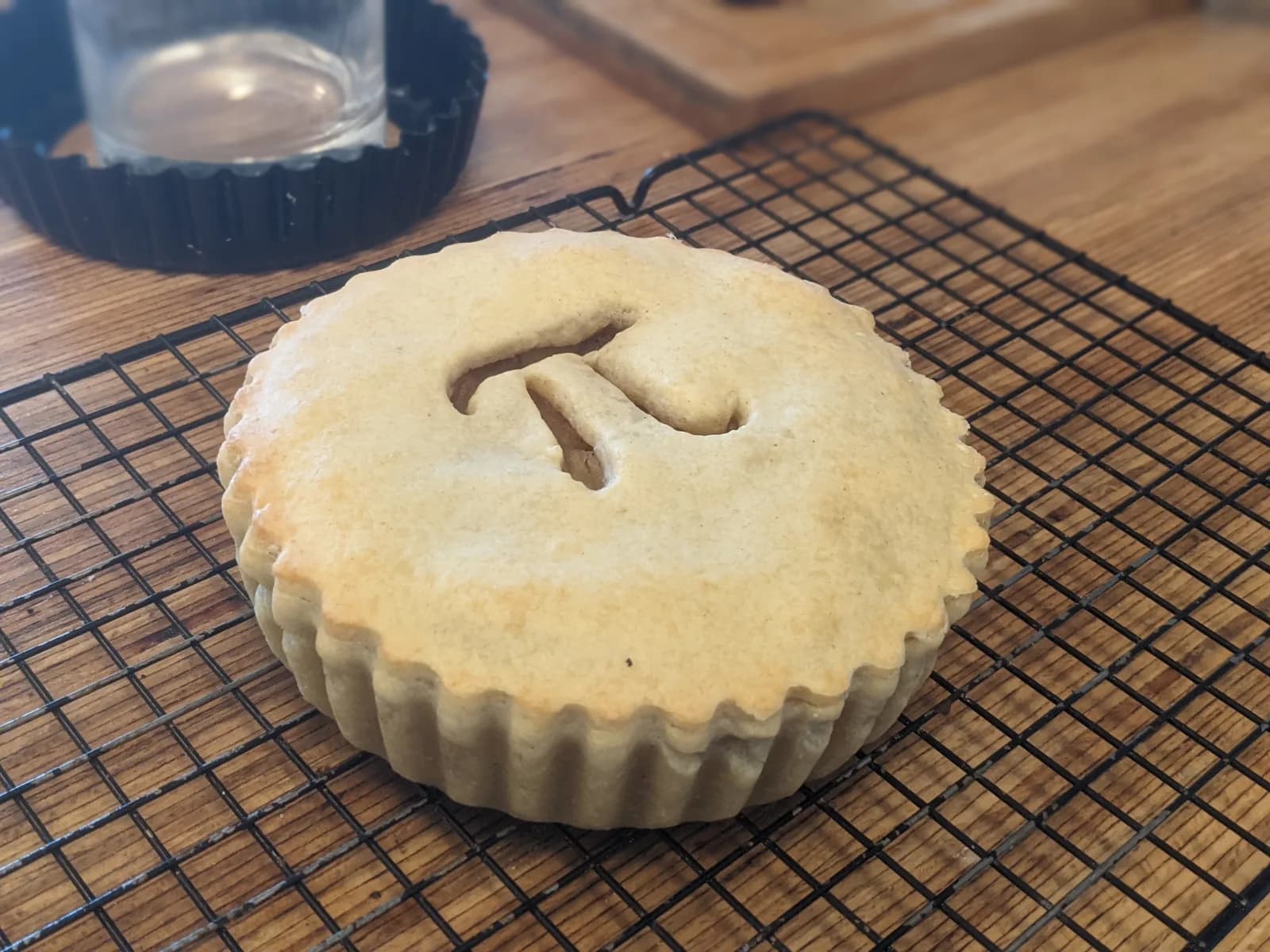
Pi is the ratio of a circle’s circumference to its diameter, about 3.14159. Why it never ends, how Archimedes trapped it and how many digits you need.
Read guide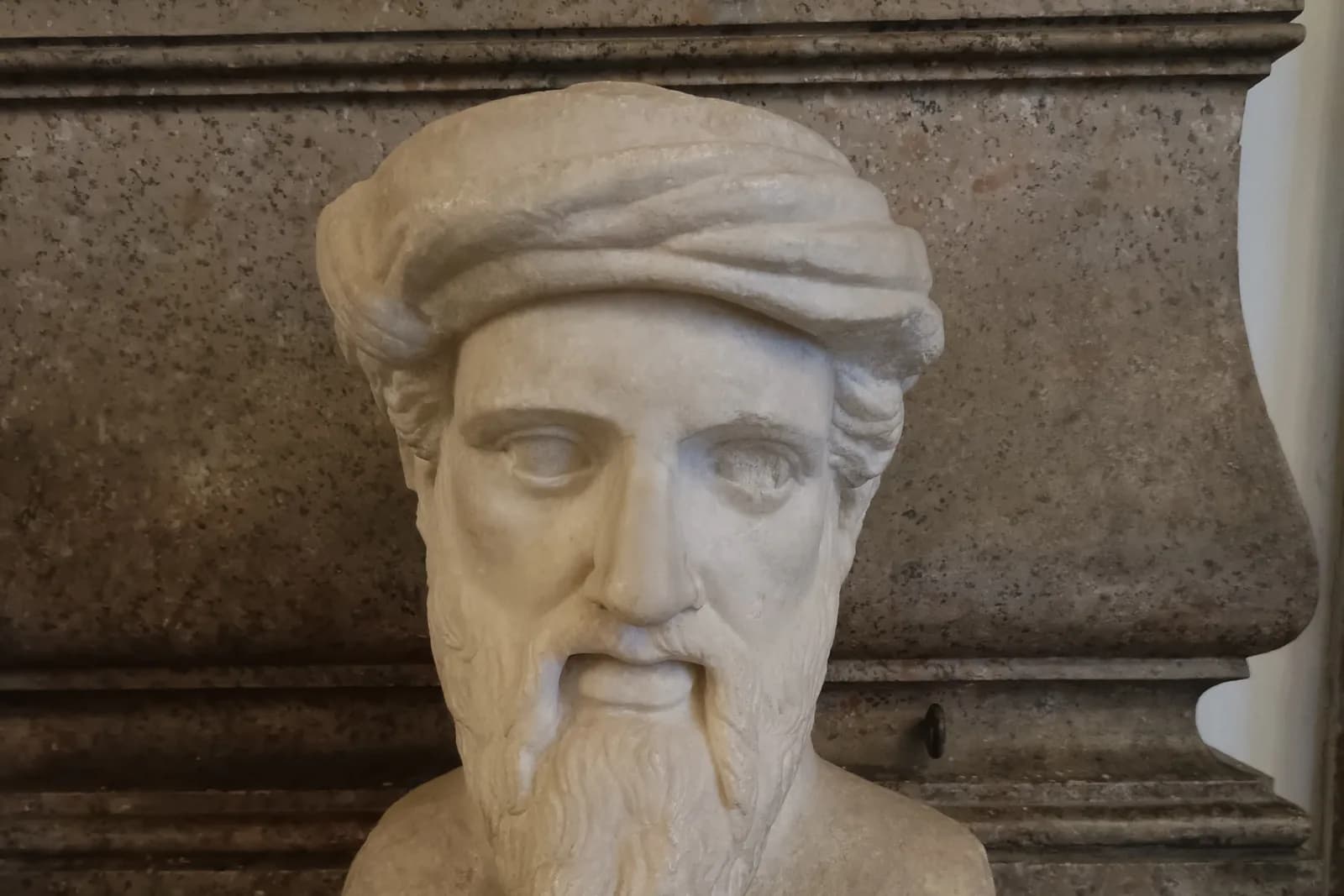
Three proofs of a² + b² = c²: four triangles in a square, similar triangles and Garfield’s trapezoid, each checked on the 3-4-5 triangle.
Read guide
Newton’s three laws of motion in plain words: inertia, F = m·a and action and reaction, with worked examples, friction, skaters and a rocket.
Read guide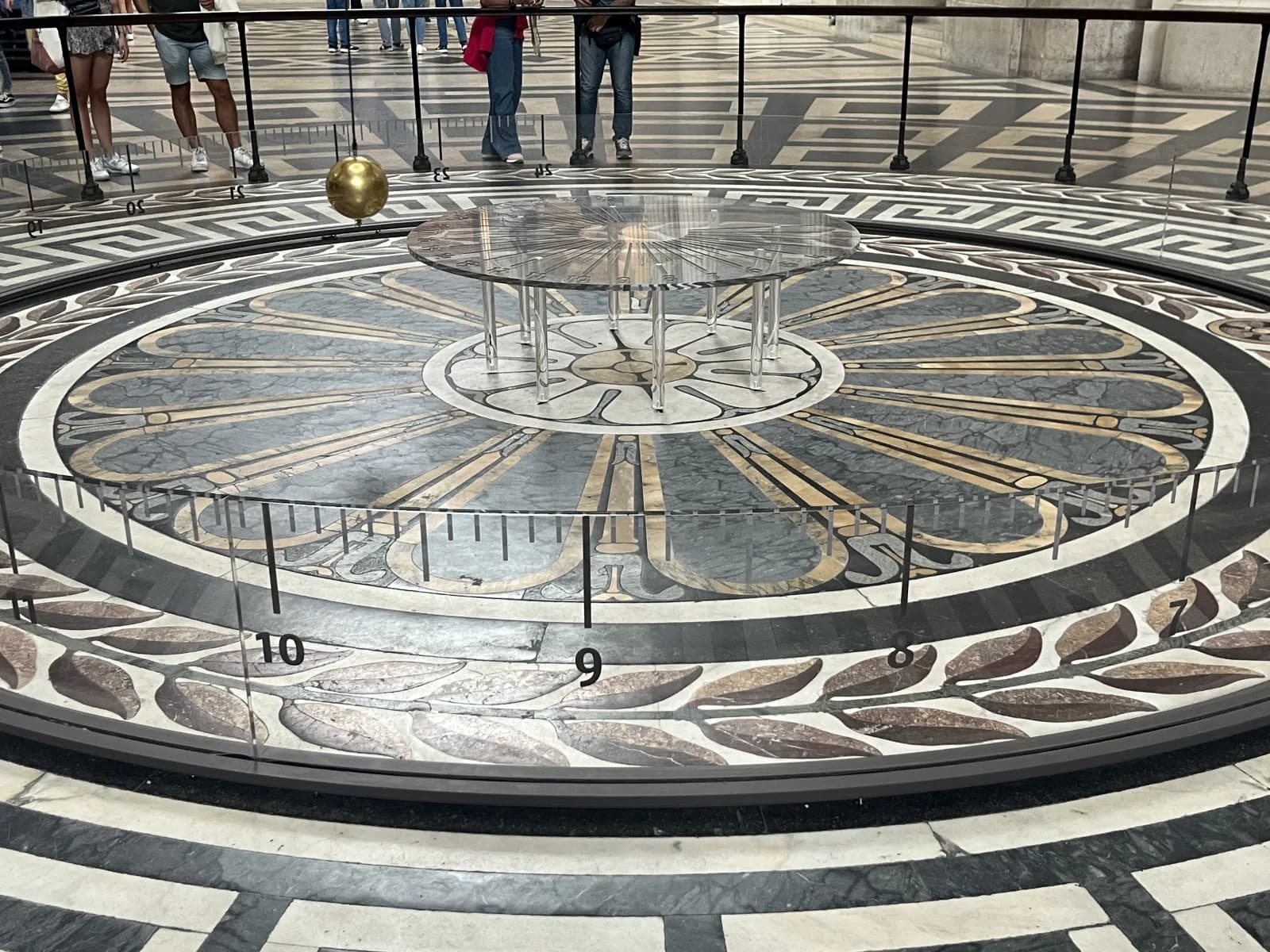
A Foucault pendulum shows the Earth turning: its swing plane stays fixed while the floor rotates. Paris 1851, the 11.3° per hour rule and the maths.
Read guide
The Big Bang theory says space itself expanded from a hot, dense state 13.8 billion years ago. The three proofs, what it leaves open, and a simple picture.
Read guide
Human evolution in plain words: a common ancestor 8 to 6 million years ago, Lucy, Homo erectus, Homo sapiens 300,000 years ago, and the DNA proof.
Read guide
How to learn history fast: build a timeline, link causes to effects, then test yourself with spacing. What the research says, and a 7-day plan.
Read guide
How do airplanes fly: wings turn air down and the air pushes back up. The four forces, the lift formula with numbers, the equal-transit myth and the stall.
Read guide
The deepest part of the ocean is Challenger Deep, about 10,935 m down. What pressure, light and cold do on the way, and who has been to the bottom.
Read guide
The death zone is the height above about 8,000 m where the body cannot adapt to the thin air. What the air, oxygen and blood measurements on Everest show.
Read guide
Lightning forms when ice and hail in a storm cloud separate charge until the air breaks down. The steps, why thunder booms and how to count distance.
Read guide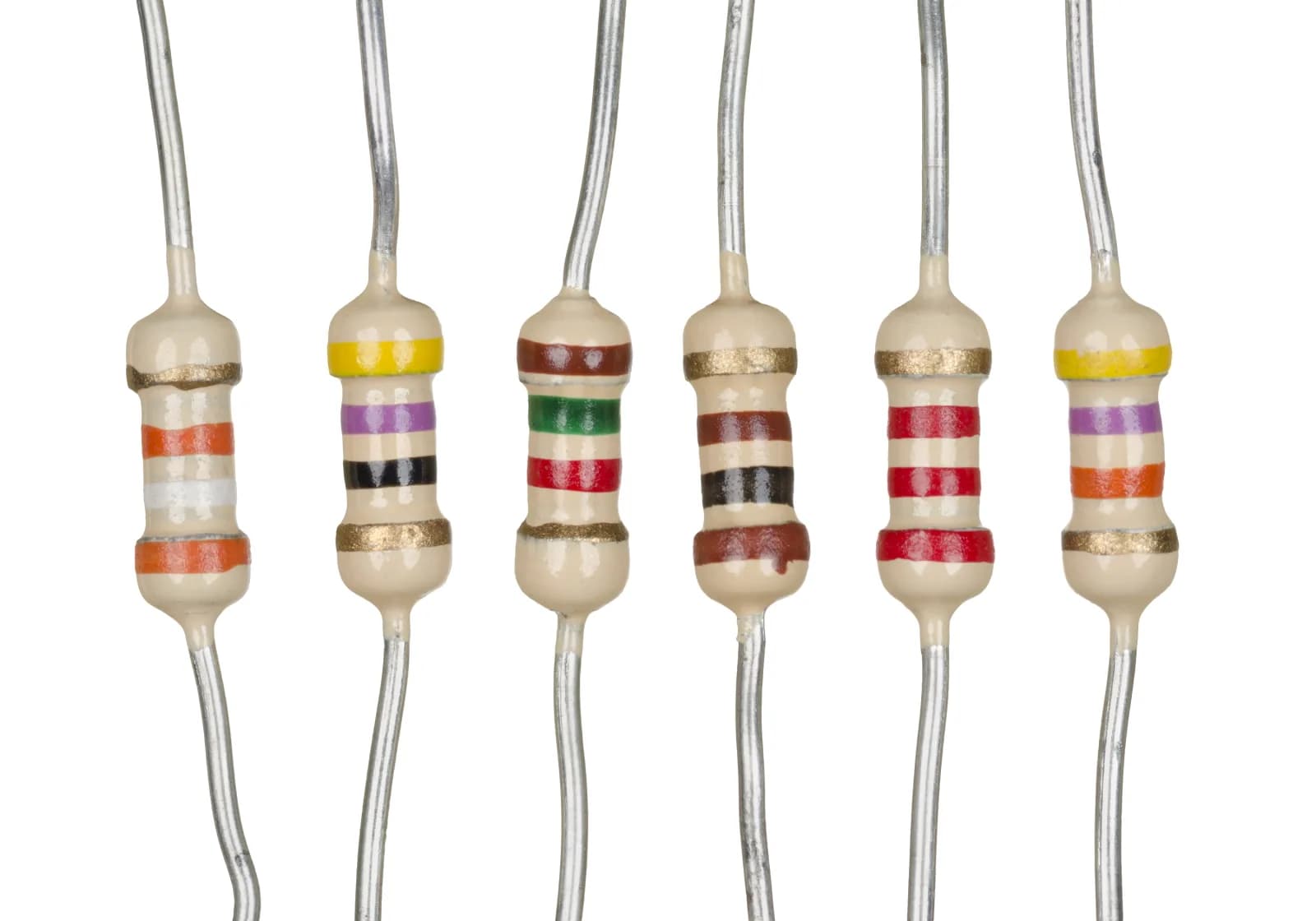
Ohm’s law in plain words: V = I·R and its three forms, an LED resistor, a copper wire, series and parallel circuits, power and where the law fails.
Read guide
What static electricity is: electrons moving between rubbed objects, Coulomb’s law with numbers, why winter shocks happen and how to stop them.
Read guide
How magnets work: poles and field lines, the domains inside iron, why fridge magnets stick, the compass and Earth’s field, with real numbers.
Read guide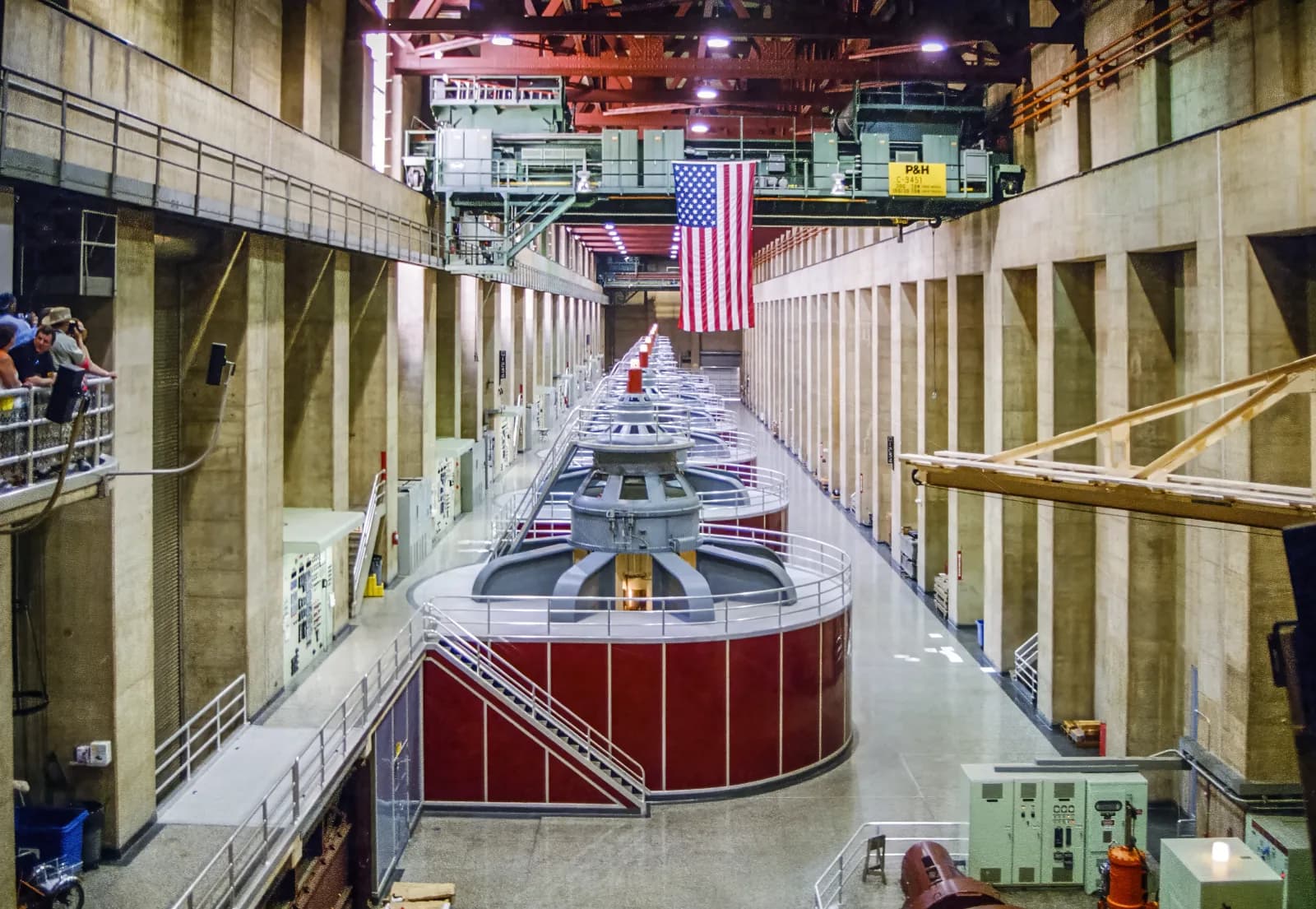
How a generator works: a coil turning in a magnetic field induces a voltage. Faraday’s law with numbers, turbines, AC, transformers and the grid.
Read guide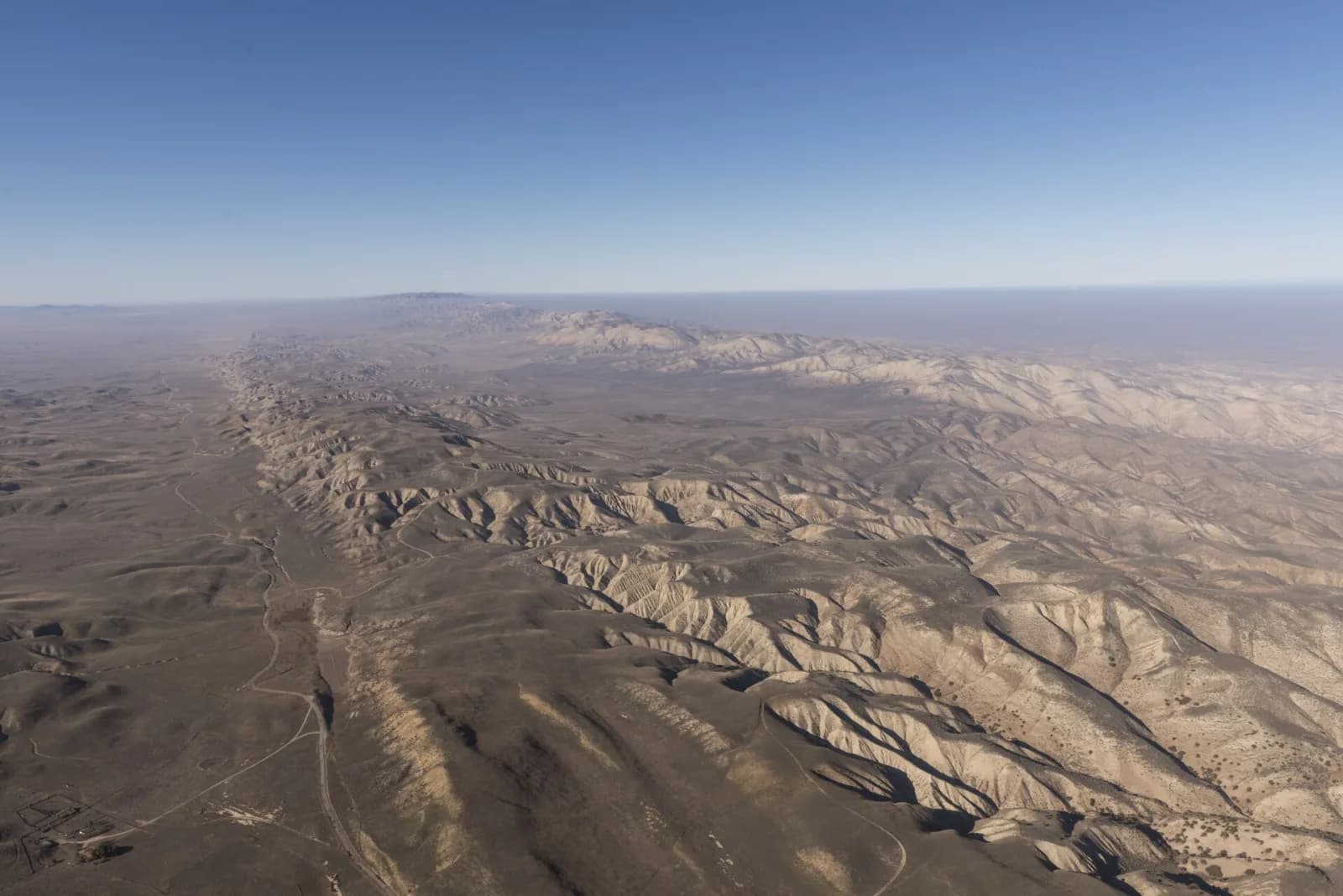
What causes earthquakes: plates move, faults lock, stress builds and the rock snaps. Where it happens, how deep, how big, and what official advice says.
Read guide
What is a tsunami: a train of very long ocean waves from a sudden jolt, usually an undersea earthquake. Speed, height, warning signs and official advice.
Read guide
How do volcanoes form: rock melts, lighter magma rises and erupts. Where it happens (plate edges, hotspots), what shapes a cone, and official safety tips.
Read guide
How do tornadoes form: wind shear rolls the air, a storm’s updraft tilts it upright and a funnel can reach the ground. The EF scale, where, when, safety.
Read guide
How do hurricanes form: warm sea water of about 27 °C, rising moist air and Earth’s spin. The steps, the eye and the five wind categories in numbers.
Read guide
What causes the northern lights: energy from the solar wind, Earth’s magnetic field and oxygen and nitrogen glowing high up. Colours, Kp and when to look.
Read guide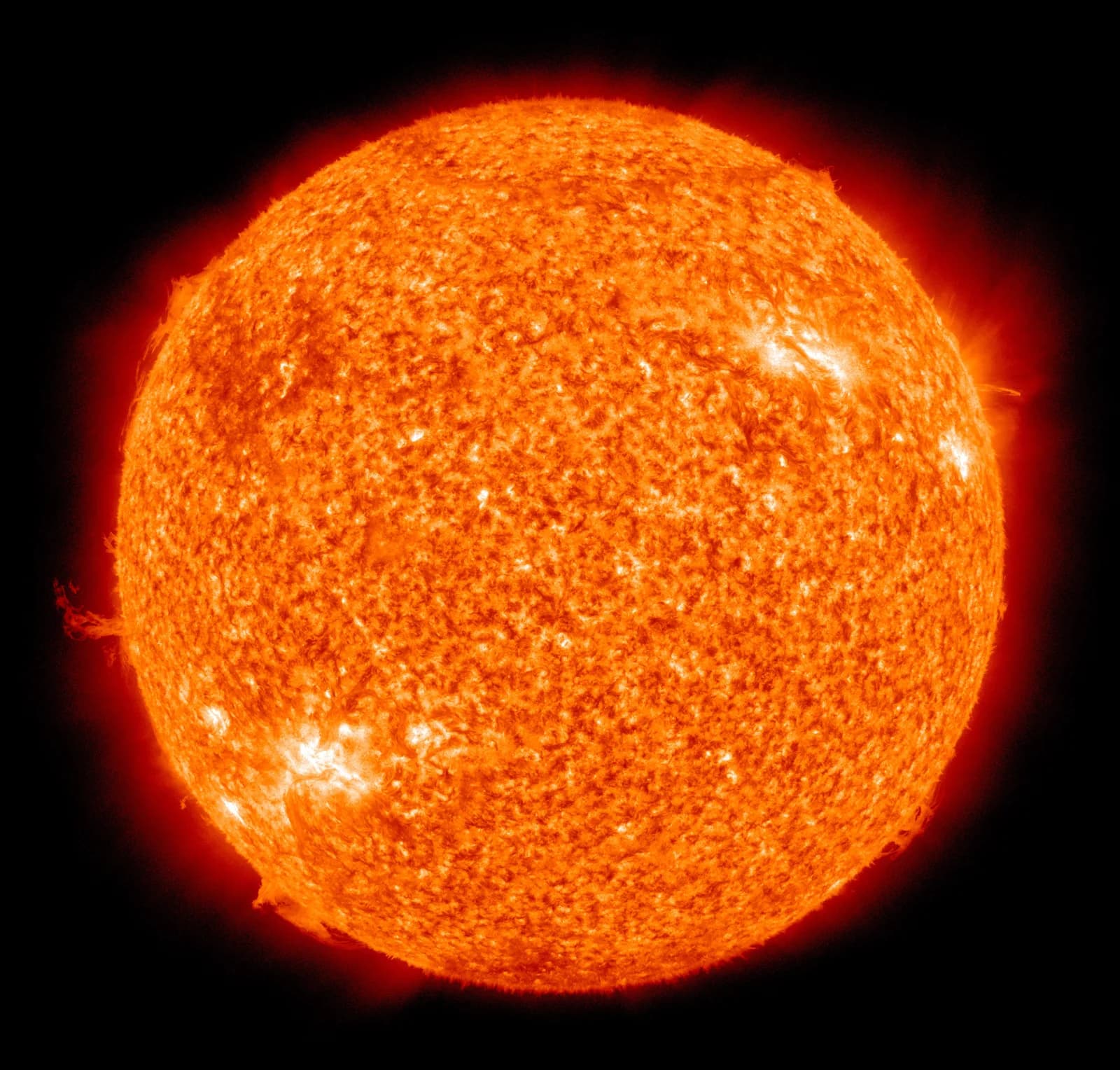
How hot is the sun: about 5,500 °C (10,000 °F) at the surface, 15 million °C in the core and 1 to 3 million °C in the corona. Why they differ.
Read guide
What is a black hole: a place where gravity is so strong that nothing, not even light, escapes. How one forms, how small it is, and how we know they exist.
Read guide
How does the internet work: messages are cut into packets, routed hop by hop over cables, mostly under the sea, and DNS turns names into numbers.
Read guide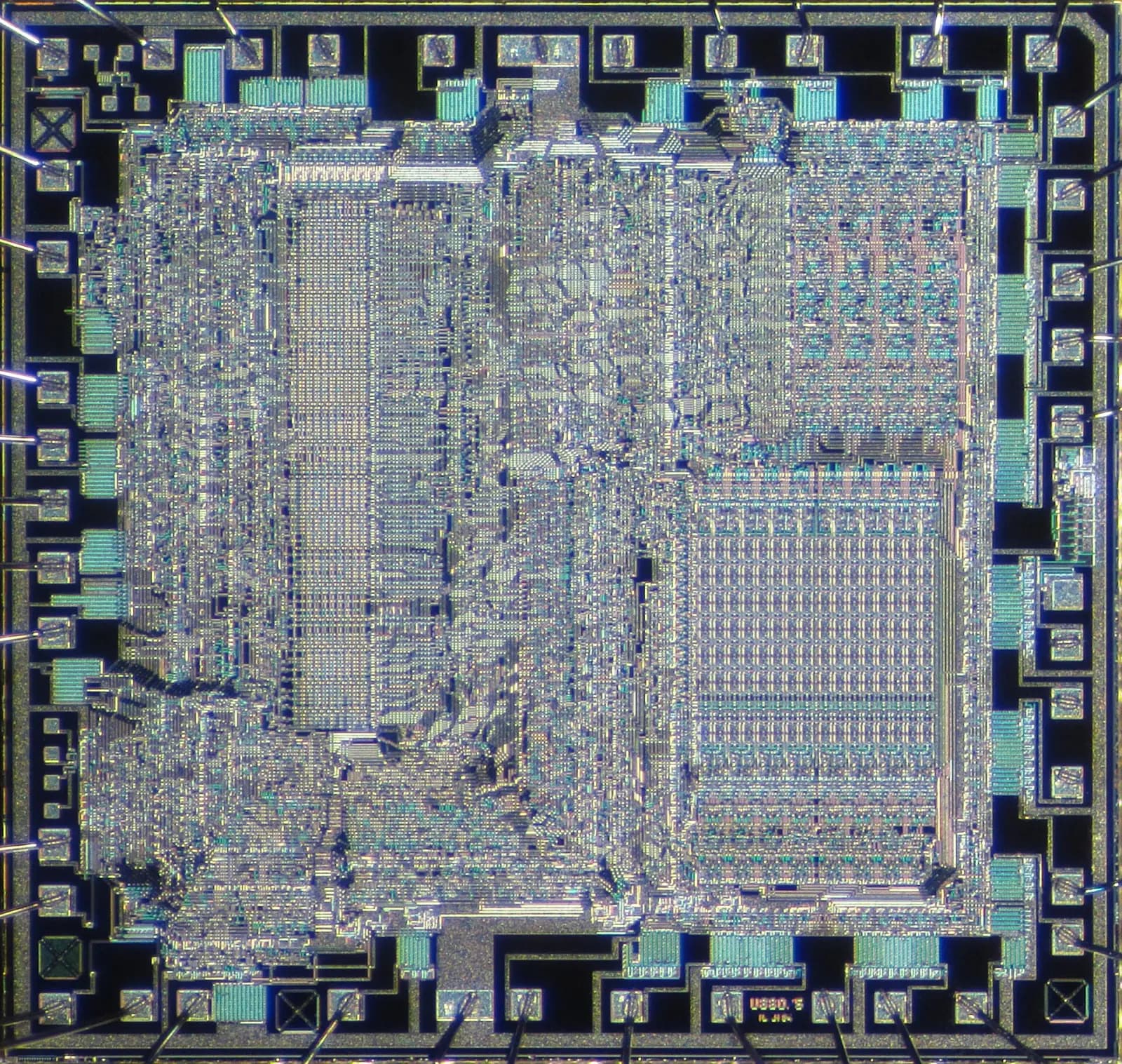
How does a computer work: data is bits in transistor switches, logic gates add them, and a processor runs fetch-decode-execute billions of times a second.
Read guide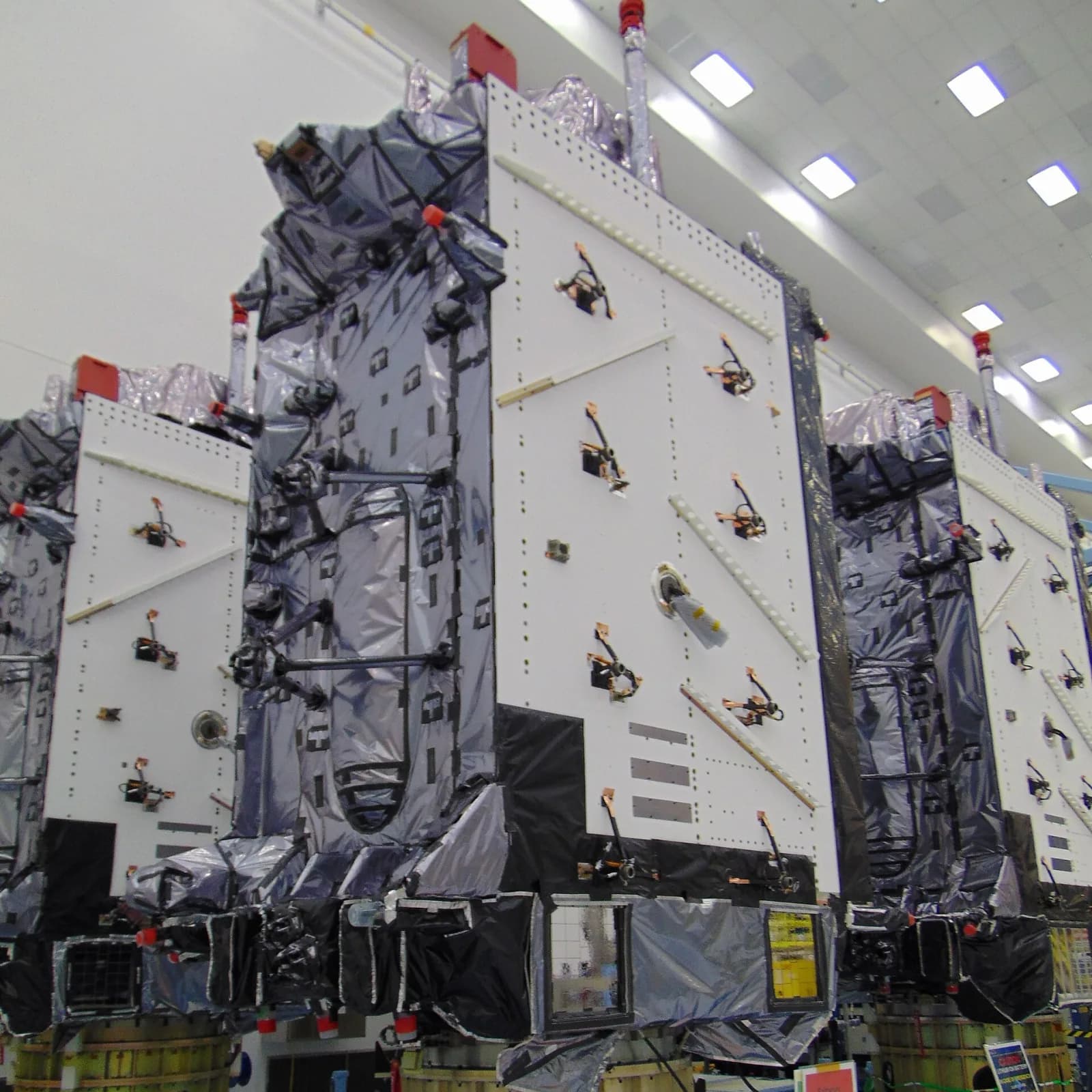
How does GPS work: satellites broadcast the time, your phone measures the delays to four of them and solves for where it is, to within about 5 metres.
Read guide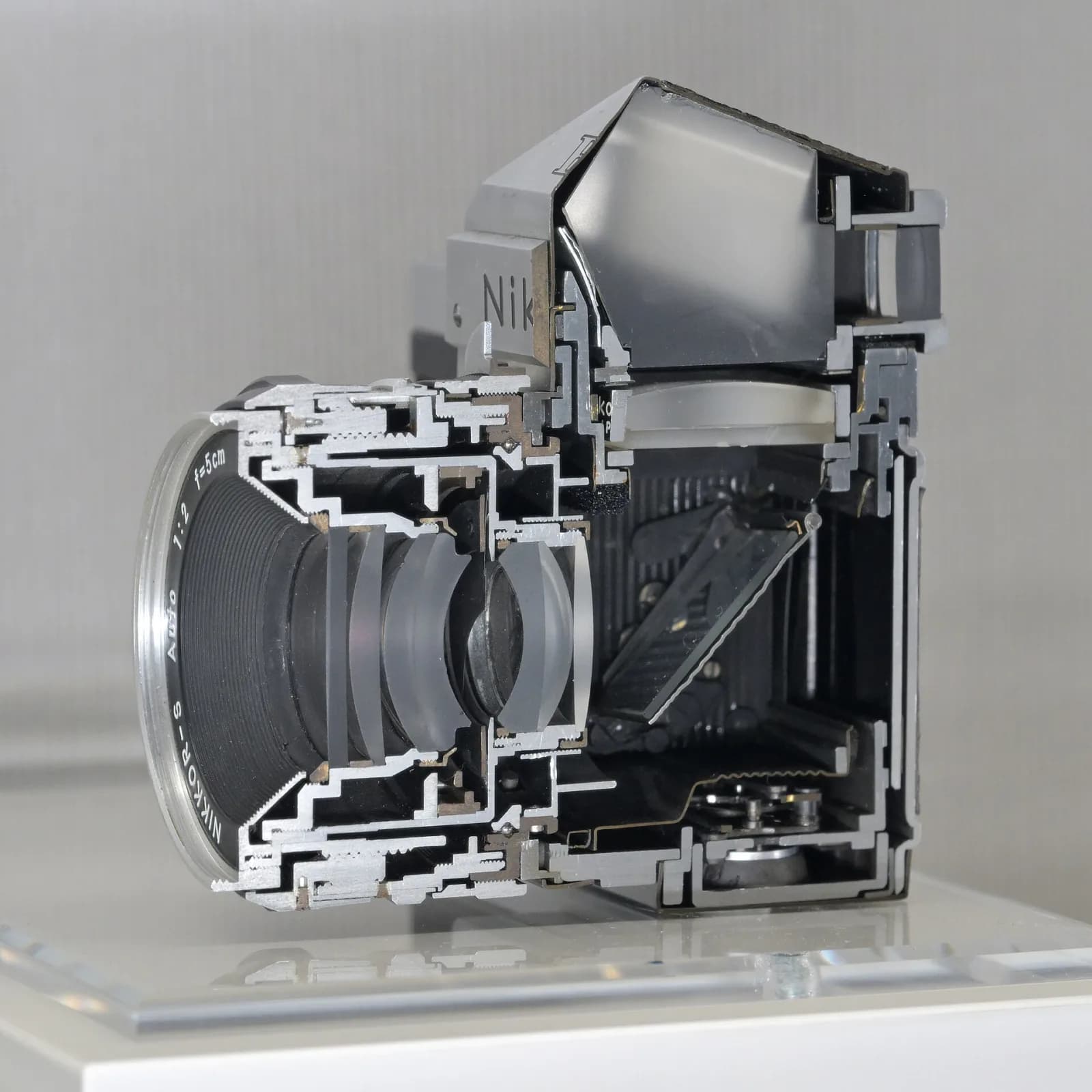
How does a camera work: a lens focuses light on a sensor of millions of pixels, aperture, shutter and ISO set brightness and blur, and pixels are numbers.
Read guide
Learn how AI agents choose tools, check results and stop. Explore architecture, practical examples, limitations and a first Python learning project.
Read guide
Understand the components of an AI agent, trace one request through the system and design checks for inputs, tool calls, state and final results.
Read guide
Compare fixed workflows, tool-using agents, planner-and-executor designs and systems with several agents. Choose a pattern using clear task requirements.
Read guide
Distinguish conversational interfaces from systems that choose actions. Compare tools, permissions, state and checks using one catalogue learning task.
Read guide
Learn when several agents can help, how to define their roles and handoffs, and how to check shared evidence, disagreements and coordination costs.
Read guide
Run a free Python teaching example to inspect tool calls, state, missing records and stopping limits. Learn where a model connects to the tested loop.
Read guide
Understand working context, operational state and persistent memory. Learn what to store, how to retrieve evidence and how to handle stale information.
Read guide
Learn how tool names, argument schemas, execution checks and results work together. Design a catalogue lookup and understand what MCP standardises.
Read guide
Turn a goal into inspectable steps, revise a plan from evidence and design stopping rules. Practise planning with a small catalogue learning task.
Read guide
Learn how to separate instructions from external data, restrict tools, protect stored information and test an agent against unsafe or unsupported actions.
Read guide
A repeatable way to define a task, ask an AI system for useful work and check the answer, its facts and its sources before you use it.
Read guide
Use generative tools to explore directions without losing the brief, accessibility or a coherent visual system: the final call stays human.
Read guide
Before publishing more pages, make the existing site clear to visitors and to search engines: page inventory, routes, links and indexing.
Read guide